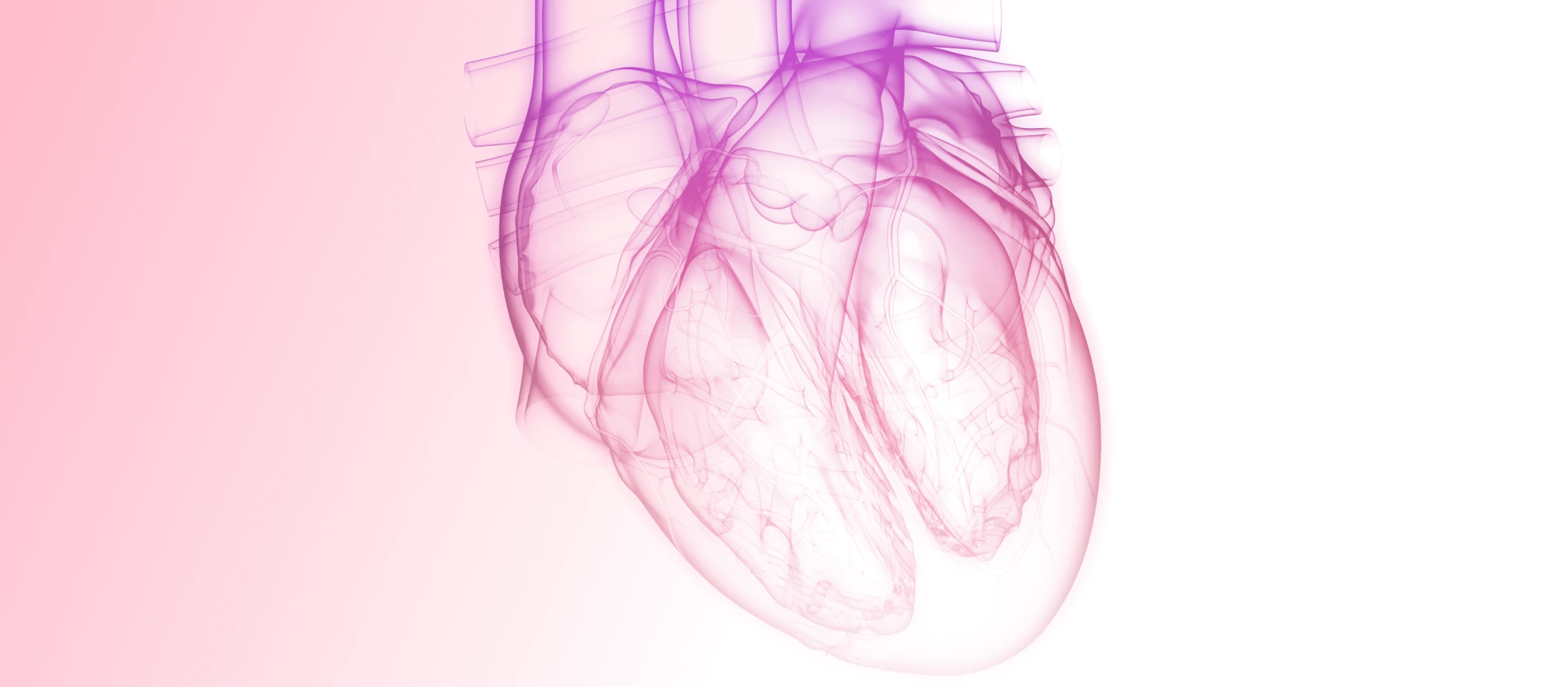
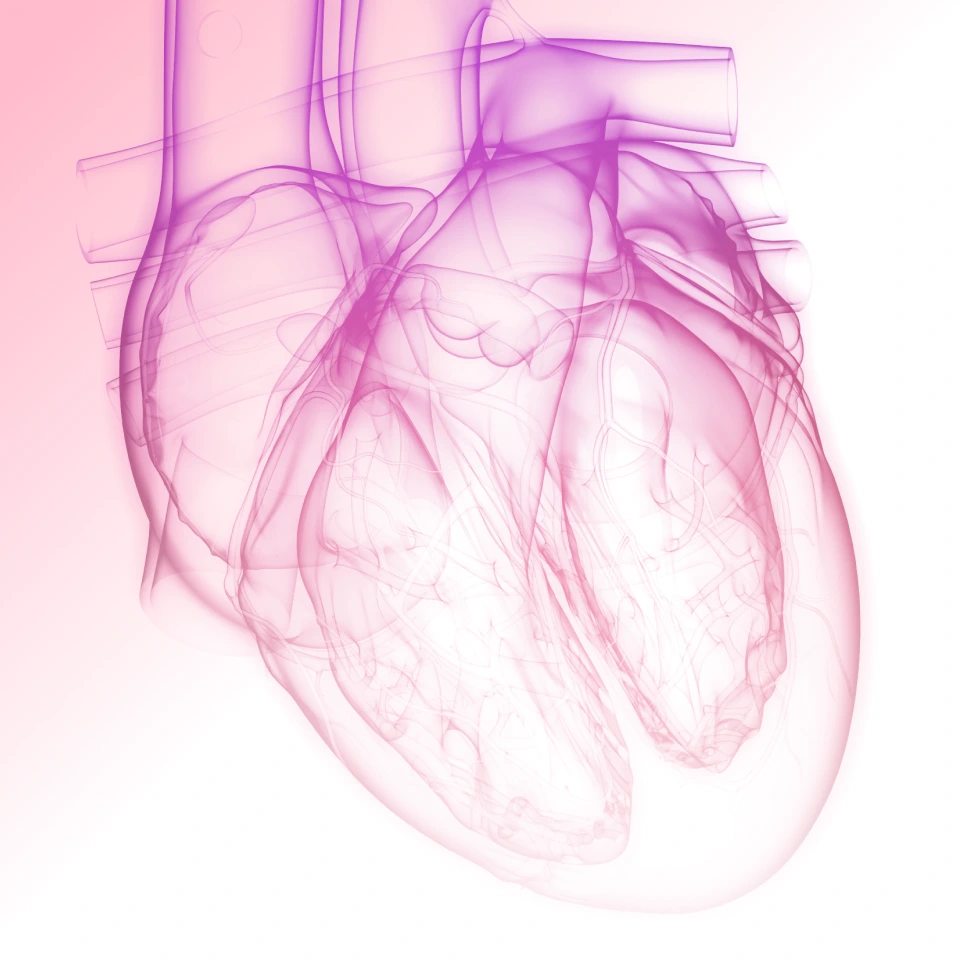



Cardiovascular disease is the leading cause of death for both men and women around the world. It’s responsible for 17.9 million deaths per year, causing more fatalities in the United States than cancers and accidents combined.
We often associate heart health with something we should pay attention to later in life—older people being more prone to heart attacks or heart disease. But a healthy heart is important at all stages of life. This vital organ works around the clock to pump oxygen-rich blood throughout your body, delivering nutrients, removing waste, and supporting everything from brain function to muscle movement. Changes linked to heart conditions—such as stiffening arteries, plaque buildup, and shifts in metabolism—often start years, or even decades, before symptoms show up.
The anatomy of a strong heart
Most of us think of heart health in simple terms: blood pressure that falls within “normal” parameters, being told we have “good cholesterol,” and the absence of heart disease. But heart health is much more involved. How strong your heart is depends on factors like how efficiently it pumps blood, how well it adapts to physical and emotional stress, and how resilient your blood vessels are over time. And these biomarkers don’t remain fixed—they change due to our lifestyle, advancing age, and can differ between men and women.
Getting a comprehensive view of your heart health involves looking at a combination of factors. This includes the structure of the heart itself, signals in the blood that point to cardiovascular risk, and basic readings like blood pressure and resting heart rate that reflect how the heart functions day to day.
Some of the metrics that doctors will look at include:
Resting heart rate: The number of times your heart beats when you’re awake, calm, and not moving or exercising. For most adults, a normal range falls within 60 to 100 beats per minute. Women tend to have slightly higher resting heart rates than men with the average being around 79 bpm. Men tend to average around 74bmp. A lower resting heart rate—around 40 to 50bpm— can be common in people who are more physically fit, like athletes and can indicate that their hearts are more efficient at pumping blood. But a heart rate that is consistently below about 60 bpm—medically termed bradycardia—is linked to increased cardiovascular strain and risk over time.
Heart rate variability (HRV): The variation in time between each of your heartbeats. These small differences are normal and fluctuate depending on whether you're resting, active, or stressed. A higher HRV typically indicates that your heart can better adapt to physical activity, stress, and recovery. Consistently low HRV has been linked to increased cardiovascular risk and chronic stress. Your HRV tends to decline with age.
Cardiac output and stroke volume: Cardiac output is the total amount of blood your heart pumps in one minute, while stroke volume refers to how much blood the heart pushes out with each individual heartbeat. Together, these measurements can help doctors to understand how efficient the heart is at delivering oxygen and nutrients to the body, both at rest and during physical activity.
VO2 max: The maximum amount of oxygen your body can use during intense exercise. VO2 max is calculated as milliliters of oxygen consumed per kilogram of body weight per minute of exercise. A higher VO2 max is linked to better physical fitness, a lower risk of heart disease, and increased longevity. For men ages 18 to 45, an active V02 max would be around 42.5-46.4 mL/kg/min, while for women, this range would be 33.0-36.9 mL/kg/min.
Ejection fraction: A measurement of your heart’s ability to pump oxygen-rich blood out to your body with each beat. It’s the amount of blood pumped out of your heart’s lower chambers, known as the ventricles, when it contracts. A normal ejection fraction typically falls between 52% and 72% for men and 54% and 74% for women. Falling in this range means the heart is effectively delivering oxygen-rich blood to the body, while lower values can signal weakened heart muscle or heart failure.
Arterial elasticity
This refers to your arteries’ ability to stretch and recoil with each heartbeat, helping blood flow smoothly through the body. Having arteries that are more flexible reduces strain on your heart. And as arteries stiffen with age and certain risk factors, the heart has to work harder, increasing your cardiovascular risk.
Blood pressure norms
The force of blood pushing in your arteries as your heart pumps. The first and highest number pressure represents your systolic blood pressure, which is the pressure inside of your arteries when your heart beats. The second and lowest number measures the pressure inside your arteries when your heart is resting between beats. Optimal blood pressure is typically below 120/80 mm Hg. Even slightly elevated blood pressure can cause damage over time, increasing the risk of heart disease, stroke, and kidney problems. This can occur without noticeable symptoms
Blood biomarkers tied to heart health: Various blood biomarkers can give doctors a deeper look at cardiovascular risk that may not be obvious from vital signs alone.
These tests help assess how cholesterol, fats, blood sugar, and inflammation are affecting the heart and blood vessels. These markers include:
LDL cholesterol: Low-density lipoprotein often referred to as “bad” cholesterol, as higher levels contribute to plaque buildup in the arteries, increasing the risk of heart attack and stroke.
HDL cholesterol: High-density lipoprotein, also known as the “good” cholesterol that helps transport excess cholesterol out of the bloodstream and back to the liver for removal.
Triglycerides: A type of fat in the blood in which elevated levels are linked to metabolic issues and increased cardiovascular risk. This is especially the case when combined with low HDL or insulin resistance.
ApoB (Apolipoprotein B): Measures the amount of ApoB, which carries substances in your body that can aid in making plaque. Research suggests it may be a more accurate predictor of cardiovascular risk than LDL alone, particularly in people with metabolic dysfunction.
Inflammation markers such as hs-CRP: Chronic inflammation, even low-grade, can contribute to plaque buildup in the arteries and increase the risk of heart attacks. This can be the case even in people with normal cholesterol levels. Blood tests can check markers of inflammation, like high sensitivity c-reactive protein (hs-CRP)—a substance produced by the liver in response to inflammation.
Related: 10 lesser-known blood tests to ask your doctors about
Age and gender differences
A healthy heart has different definitions depending on your age, gender, and lifestyle.
Your age can play a role: While people of any age can be prone to heart issues, the risk for heart disease increases steadily as people get older. This is because the older you get, the more you’re exposed to factors that can strain the heart, such as high blood pressure or poor cholesterol. According to the CDC’s National Health Interview Survey, in 2020 only about 0.9 % of adults ages 18 to 44 reported having diagnosed heart disease, compared with 5.9 % of adults ages 45 to 64 and 18.2 % of adults 65 and older.
A healthy heart at age 25 isn’t defined by the same markers as a healthy heart in a senior at age 65. At 25, the heart and blood vessels are typically more elastic, with less cumulative exposure to cardiovascular risk factors like hypertension, elevated cholesterol, and insulin resistance. As a result, the heart and blood vessels tend to be more resilient. By age 65, even without diagnosed heart disease, normal aging is often associated with stiffer arteries, reduced vascular compliance, and diminished cardiac reserve. This means a heart at this age doesn’t respond as quickly or efficiently when the body is under stress, such as during exercise, when fighting an illness or with physical exertion.
How heart disease shows up differently in men vs. women: Men tend to experience heart issues earlier in life than women. Statistics show that when it comes to a risk or a heart event, men over 45 and post menopausal women tend to carry the highest risk. This is because a woman’s reproductive years provide some level of protection due to her hormones.
And symptoms of heart attacks can also look different in men versus women. Men are more likely to exhibit the classic symptoms you think about or see in the movies depicted onscreen—squeezing chest pressure or pain or shortness of breath, while women may be more likely to report less typical warning signs, including shortness of breath, fatigue, nausea, jaw or back pain, and dizziness. These less common symptoms can result in women being significantly more likely to be misdiagnosed after a heart attack, which can be mistaken for anxiety or indigestion.
Common risk factors to be aware of
Heart disease often develops over time and can begin decades earlier than many patients and doctors are even thinking about heart disease. Rather than being caused by a single issue, heart disease is typically the result of cumulative exposure to risk factors such as high blood pressure, abnormal cholesterol, insulin resistance, physical inactivity, smoking, and chronic stress. Elevated blood pressure as early as age 18, for instance, can prelude a higher risk of calcification of coronary arteries by middle age.
You can develop heart disease without symptoms. And when symptoms do arise, they can be different for every person. In general warning signs and symptoms can include:
- Chest pain, pressure, or tightness—can be a crushing pain or mild discomfort
- Shortness of breath
- Fatigue or general weakness
- Dizziness or lightheadedness
- Shortness of breath—especially with exertion or when lying flat
- A sudden pale or grayish appearance of the skin
- Swelling in the ankles, legs, or feet
- Racing, irregular, or pounding heart
- Indigestion or heartburn
- Nausea or vomiting
- Cold sweats or clammy skin
- Getting tired more quickly during everyday activities
How to actively strengthen your heart
While age and genetics are a factor in heart health, your daily habits play a powerful role in helping to keep your heart strong. Research shows that lifestyle changes can significantly reduce cardiovascular risk—even in people who already have risk factors. In fact, one study found that men who refrained from smoking, ate a healthy diet, exercised regularly, cut back on drinking and maintained a healthy weight had an 87% less incident of coronary heart disease than those who didn’t.
Here are some ways to give your heart health some love:
- Eat a heart healthy diet: Prioritize fruits, vegetables, whole grains, fish, poultry, beans, nuts, and low-fat dairy products. Limit foods high in saturated fat, sugar, sodium, and artificial sweeteners.
- Quit smoking and avoid secondhand smoke exposure: This can have a profound impact on heart health. Even if you already have coronary heart disease, quitting smoking can cut your risk of heart attacks or dying by half.
- Cut back on drinking: A study of 21,011 heavy drinks found that those who lowered their consumption to mild or moderate reduced their risk of cardiovascular events by 23%. Stick to no more than 2 drinks a day for men and 1 for women. And remember 5 ounces of wine, 12 ounces of beer and 1.5 oz of 80-proof spirits is considered 1 drink.
- Maintain a healthy weight: Excess weight can make the body more insulin resistant, putting you at risk of diabetes, which greatly increases the risk of heart disease. Extra weight can raise blood pressure, increase LDL cholesterol, and cause sleep apnea, all of which can negatively affect your heart.
- Stay active: The American Heart Association recommends 150 minutes of moderate intensity aerobic activity or 75 minutes of vigorous aerobic activity per week. Add in some strength training for an even extra benefit.
- Avoid too much sitting and couch time: Studies show that prolonged sitting increases your risk of heart disease—even if you get enough daily exercise. Set regular reminders to move throughout the day. Some wearables like your Apple Watch or Oura ring come with built-in reminders to get up when you’ve been sitting too long.
- Get smart about stress: While you can’t always keep stress from coming your way, you can find healthy ways to respond to it. Meditate, try some box breathing (in for 4, hold for 4, out for 4), journal, go for a walk…whatever helps you to find more moments of Zen.
- Get 7 to 9 hours of sleep: Less sleep can lead to higher blood pressure, which is a leading risk of heart disease and stroke. It’s also linked to type 2 diabetes and inflammation, which can also put your heart at risk.
Why tracking matters and how Prenuvo could help
One of the most important ways to prioritize heart health is to understand how well your heart is functioning and to stay on top of changes over time. Tracking key indicators like blood pressure, cardiometabolic blood biomarkers, and overall body composition can help you to identify trends that may not cause obvious symptoms but could affect cardiovascular risk. This enables you to work with your doctor to make lifestyle changes to support your best heart health.
In addition to blood tests that check for heart disease risk and inflammation, Prenuvo’s Whole Body Scan has the ability to help detect some structural abnormalities, such as an enlarged heart or fat around the heart, as well as signs of some cancers that have spread to the heart. And Prenuvo’s Body Composition Analysis helps measure visceral fat, fat hidden behind the abdominal wall that has been strongly linked to increased risk of heart disease, diabetes, and hypertension.
Related: What you get in your Prenuvo Body Composition Analysis Report
Prenuvo is not a substitute for specialized heart imaging, like echocardiograms, stress tests, or coronary imaging that your doctor may order. But it’s a powerful complement and a proactive way to stay on top of your health.
To learn more about the benefits of whole body MRI and other Prenuvo services, book a call with a member of our Patient Services Team.