




Having a baby changes your life in many ways. Your days will be filled with lots of snuggles, adventures, and exciting new milestones. But parenthood also involves navigating sleepless nights, the stress of working to keep a tiny human safe, and having less time for yourself than ever before.
Your consistent 10 p.m. to 6 a.m. sleep schedule can shift into cramming in sleep whenever you can, which is often in between nighttime feedings and early morning wakeups. Your workout routine may take a back seat, and you may be too tired to exercise by the time you get a chance. And you will likely find yourself eating while chasing after a toddler or scarfing down their leftover snacks and calling that a meal. It’s also easy to neglect your own healthcare appointments, putting off your annual physical, recommended health screenings, eye exams, and dental cleanings.
Mothers who carry the pregnancy face even more changes, as the body adapts to pregnancy, birth and recovery. All of these changes can add up and affect you in ways you didn’t anticipate.
Before baby: Know your baseline
Planning for a baby is an exciting time. While talking through potential baby names and everything on your dream registry, it’s also a great time for both parents to take inventory of their health. Establishing a baseline before pregnancy can give you a better understanding of where things stand before the physical and lifestyle changes of parenthood begin. *Prenuvo’s Whole Body Scan and labs can provide a broader picture of health before the demands of pregnancy, birth, and parenting begin. Together, they can provide insights into areas like metabolic and cardiovascular health, body composition and the musculoskeletal system, as well as a look at certain hormone and nutrient levels.
*Prenuvo does not scan individuals who are pregnant or think they may be pregnant. The Prenuvo Medical Group suggests consulting your doctor about when it may be appropriate to schedule a scan.
There are also steps that both parents can take to optimize their health before trying to conceive. If you’re a woman who is planning to become pregnant, you can focus on cardiovascular fitness and building strength to help your body prepare for and recover from pregnancy and childbirth. These are beneficial habits you can carry into pregnancy, as studies have shown that being physically active while pregnant can increase the likelihood of a vaginal delivery and may shorten labor.
It’s also important to eat a healthy diet that ensures you are getting enough key nutrients. Some of the most important nutrients for pregnancy, for instance, include folate, calcium, vitamin D, protein, and iron, so you want to make sure you’re getting adequate amounts. It can also be helpful to understand your thyroid function, blood sugar and other metabolic markers before pregnancy.
Preconception is also a good time to talk with your OB/GYN or healthcare provider about any medications and supplements you are taking to make sure they are safe for pregnancy. They can also recommend a prenatal vitamin to take, which will help you meet your nutritional needs during pregnancy.
The non-pregnant partner can also use this time to focus on healthy habits. Things like getting enough sleep, managing stress, exercising regularly, maintaining a healthy body composition, and limiting alcohol can all support overall health and sperm health. Research has shown that avoiding hot tubs and saunas and avoiding environmental toxins like pesticides may also help.
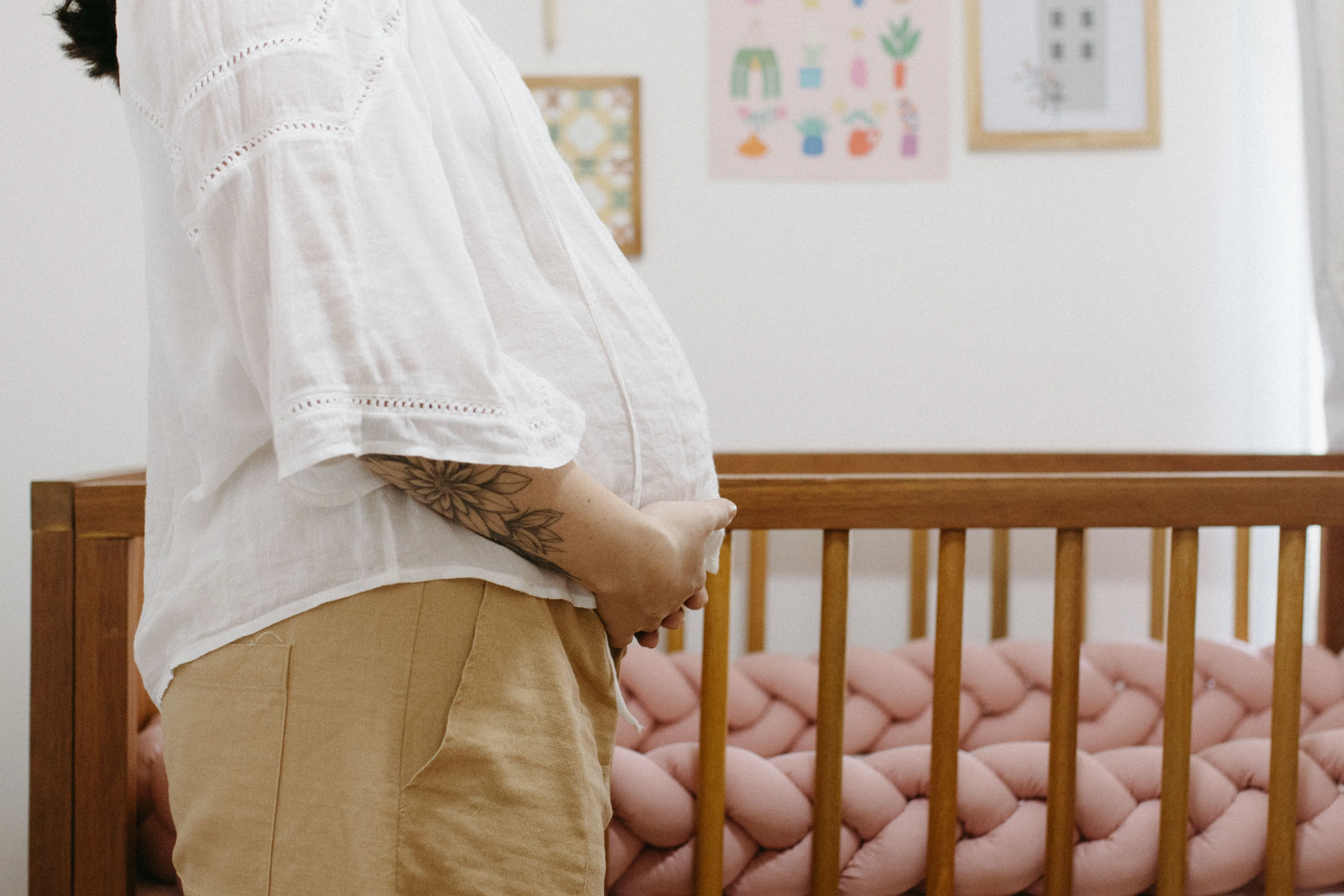
Pregnancy comes with many changes
During pregnancy, your body goes through some pretty remarkable changes in order to grow a baby.
- Your hormones and metabolism shift: Pregnancy causes major hormonal changes, including surges in estrogen, progesterone, and human chorionic gonadotropin (hCG). Pregnancy hormones can make it harder for your body to keep blood sugar levels under control, which can lead to gestational diabetes, which affects 5% to 9% of U.S. pregnancies.
- Your heart kicks into overdrive: Your heart works harder, increasing the amount of blood it pumps by 30% to 50% to support your growing baby and your own body.
- Your nutritional needs increase: During pregnancy, your body needs more nutrients, including iron to support your increased blood volume and your growing baby and placenta. Iron deficiency is also common during pregnancy, affecting around 15% to 20% of pregnant women.
- Your muscles and joints adapt: The body releases hormones like relaxin and progesterone, which soften ligaments and loosen joints in order to prepare a woman for childbirth. The uterus expands, which can lead to discomfort in the back, abdomen, groin, and thighs. And a growing belly can throw off your center of gravity. This can put pressure on the spine and throw off your posture.
- Your sleep can become disrupted: Increases in pregnancy hormones and changes in the body can make sleep disruption a common occurrence. In fact, around 1 in 4 women report having insomnia in early pregnancy and as much as 80% by the end of their third trimester.
- Your digestion shifts: Pregnancy hormones can slow down your digestive system, which can lead to gas, constipation, bloating and other digestive changes.
- Your weight and body composition changes: Gaining weight is a normal part of pregnancy. This is due to the weight of the baby, as well as the placenta, amniotic fluid, increased blood and body fluids, breast tissue and changes in fat stores.
- Your pelvic floor muscles change: Your pelvic floor muscles support your bladder, bowel and reproductive organs. They also help support the weight of your growing baby. These muscles can weaken or stretch during pregnancy and childbirth, which can contribute to issues like leaking urine.
- Your brain and mood can change: Pregnancy brings major hormonal and neurological changes, and many women report changes in memory and concentration during this time. Women often refer to this as “baby brain” or “mommy brain.”
Many of these changes begin to reverse after you give birth as your body gradually moves toward its pre-pregnancy state. But that doesn’t happen overnight, and some of these shifts can persist and require things like exercise, dietary changes, or physical therapy to improve.
Related: Is your heart healthy and strong?
Postpartum recovery takes time
Your body spent 40 weeks performing the remarkable feat of bringing a child into the world. Recovery from delivery will take some time. While women see their doctors for a 6-week check-up after giving birth, that’s not the finish line of the postpartum period. In fact, postpartum, which is also referred to as the fourth trimester, typically lasts around 12 weeks. It can take months or longer to recover from giving birth, and this healing journey can look different for every person.
- Your body needs to heal: Both vaginal delivery and C-section deliveries take time to heal from. Post birth, you may experience vaginal bleeding, swelling in the legs or feet, cramps, and digestive issues like constipation. A C-section is major abdominal surgery, which means taking it easy until your stitches close up and your incision heals.
- Your hormones shift again: After birth, those rising hormones start to drop rapidly. Breastfeeding women will experience additional hormonal changes, like a rise in prolactin. These shifts can affect everything from mood to vaginal dryness.
- Your pelvic floor and core recover: Pregnancy and delivery can weaken or stretch the pelvic floor and abdominal muscles. This can contribute to urinary incontinence, pelvic pressure, and separation of the abdominal muscles known as diastasis recti. Pelvic floor exercises and physical therapy can often help with recovery.
- Your nutrient needs don't immediately return to normal: Blood loss during delivery can contribute to postpartum iron deficiency or anemia. And breastfeeding can increase requirements for certain nutrients, such as iodine and choline.
- Your thyroid can change: Some women develop inflammation of the thyroid known as postpartum thyroiditis during the first year after giving birth. This can cause symptoms like fatigue, trouble sleeping and changes in weight.
- Breastfeeding requires extra energy and nutrients: Producing breast milk requires additional 330 to 400 calories per day compared with what they ate before pregnancy.
- Your mood and mental health can change: Estrogen and progesterone levels drop rapidly after delivery and can contribute to mood changes. Up to 85% of women experience the “baby blues,” which can include feeling sad, anxious or overwhelmed. These feelings typically improve after a couple of weeks but if they persist, it’s important to check in with a doctor to ask about postpartum depression.
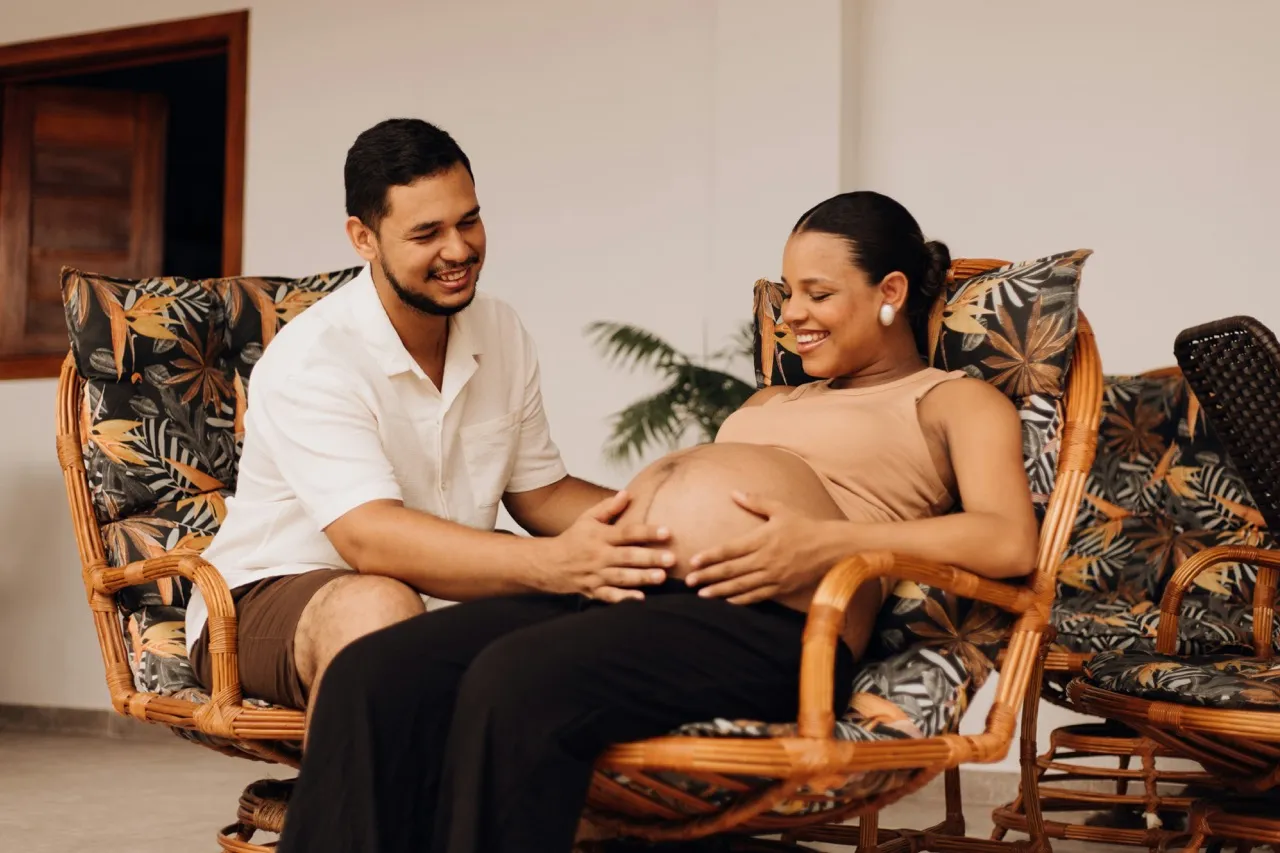
Parenthood affects both parents
While the parent giving birth deals with their own share of changes, both parents experience lifestyle shifts once the baby is born. Less sleep, changes to your diet and exercise routine, and the mental load of caring for a baby can all affect your health. You might find yourself chugging extra caffeine to make it through the day, living off of convenience foods, skipping workouts, or pouring a glass of wine at the end of a particularly stressful day. Over time, these shifts can add up.
Sleep deprivation may be the biggest shared health change
If you’ve heard parents say “you’ll sleep again when they turn 18” they weren’t joking. Parenthood definitely throws a wrench in your pre-kid sleep routine. One large study found that both moms and dads still hadn’t fully returned to their pre-pregnancy sleep duration and sleep satisfaction up to six years after having their first child.
Not getting enough sleep can affect much more than how tired you feel the next day. Lack of sleep can affect hormones that regulate appetite, leading to increased hunger and cravings. You might find yourself reaching for a cookie over an apple and fueling up with processed foods in between feedings and diaper changes. Insufficient sleep can also make it harder for your body to regulate blood sugar, interfere with memory, focus and mood, elevate your blood pressure, and affect your immune and cardiovascular systems. It can also take a toll on your relationship, as one survey found that 91% of parents fight during their baby's first year, with nearly one-third saying they fought more than before becoming parents.
Related: How poor sleep affects your body
Stress and the mental load affect the body
They don’t give you a guidebook when you leave the hospital with a baby, so enter endless hours of troubleshooting. Your days will be filled with pondering: Is my baby eating enough? Why won’t they nap? Is that rash normal? When was the last diaper change? Your brain will have an entirely new to-do list and you'll have more limited time for self-care.
That constant mental load can keep you in a sustained stress response. During periods of stress, your body releases hormones like cortisol to help you respond to a challenge. But when that stress becomes chronic, it can affect nearly every system in the body, including your heart health, sleep, hormonal balance, metabolism, and more.
Related: How stress affects your entire body
All of that stress can take a toll on the mental health of both parents as well. Around 1 in 7 women have postpartum depression within the first year of childbirth. This can affect the partner that didn’t give birth as well. Research shows that 8% to 10% of fathers have postpartum depression, with the highest prevalence around 3 to 6 months postpartum.
Your mental health is a crucial part of your physical health. Thus, it’s important not to write off symptoms of depression or anxiety as simply “part of adjusting to parenthood.” If you are feeling overwhelmed or having intrusive thoughts, it’s important to talk to your doctor or a qualified healthcare provider who can help you to find some relief.

Body composition can shift quietly
How much you weigh doesn’t tell the full story of how your body may be changing since becoming a parent. Less time for strength training may result in muscle loss. A lack of sleep, an increase in stress, and a less healthy diet may also contribute to changes in body fat. Bending down to breastfeed or rock a child, or carrying them often on the same side of your body can lead to muscle imbalances and shifts in your posture.
These are changes that do not show up on a scale. Prenuvo’s Body Composition Analysis can provide a closer look at visceral fat, lean muscle mass, fat distribution and muscle asymmetries. Tracking these metrics can help you catch subtle shifts in your body composition as you settle into parenthood and check in on results as you return to a more regular fitness routine.
Blood biomarkers can reveal what symptoms can’t
Feeling low on energy, foggy, or moody may seem like a normal part of new parenthood, but sometimes there may be something else contributing. A complete blood count, along with iron and ferritin levels, can help identify anemia or iron deficiency. Thyroid testing can look for changes in thyroid function. And testing for nutrients like vitamin D, B12 and folate can provide information about nutrient status. Checking in on A1c and glucose levels can offer a look at how well your body is regulating blood sugar, while cholesterol and inflammation markers can provide additional context about metabolic and cardiovascular health. Testing liver and kidney markers, as well as hormone levels can also provide helpful insight into potential hidden causes of not feeling like your best self. And many of these markers can be off without causing noticeable symptoms right away, which makes bloodwork a helpful way to catch subtle changes earlier.
Women who recently gave birth may especially benefit from discussing iron, ferritin and thyroid testing with their healthcare provider, as pregnancy and childbirth can make some women more prone to anemia and postpartum thyroiditis. It’s also a good idea to check in on levels like vitamin D and B12 depending on your diet, symptoms and individual needs. And the non-pregnant partner can learn more about their health by looking at their current metabolic markers.
Prenuvo’s blood panels can measure many of these biomarkers and provide additional insight into what’s happening inside your body. When combined with a Whole Body Scan and Body Composition Analysis, these results can help provide a more detailed picture of your health and help you see how things change over time.
Heart health may change with pregnancy and parenthood
Pregnancy makes the heart work much harder than it does in a non-pregnant body. This also occurs during labor and delivery, when changes in blood flow and blood pressure occur. While most women's bodies can handle these temporary shifts, patients with preexisting heart conditions can be more at risk of complications. And certain complications during pregnancy can also offer clues about future heart health. For example, research shows that women who experience preeclampsia or gestational diabetes have a higher risk of developing cardiovascular disease later in life.
Once a baby arrives, lifestyle changes can also raise the risk of certain heart conditions. Less sleep, more stress, cutting back on exercise, and changes in weight can all affect heart health over time. Keeping tabs on things like blood pressure, cholesterol and blood sugar can help you spot changes and make adjustments to your routine.
Prenuvo’s Advanced Heart Health Scan uses MyoStrain analysis to offer a way to take a deeper look at your heart health. It goes beyond traditional measures like blood pressure and cholesterol to check in on how well the heart muscle is functioning.
Brain health, cognition, and “parent brain”
Pregnant and postpartum women frequently talk about “mom brain,” and there may be something to it. Whether you accidentally put your phone in the refrigerator or walk into a room and forget what you went in there for, many women report feeling more forgetful or foggy during pregnancy and postpartum. Research has found that pregnancy may cause temporary changes to the gray matter in the brain, as well as changes in areas involved in attention, social cognition and other functions. Some of these changes begin to rebound after birth, while others may last longer.
And pregnancy hormones aren’t the only thing that can make you feel foggy. The cumulative toll of sleepless nights, stress, and all the new parenting information your brain is now holding may make it harder to focus. While forgetting to pack wipes in the diaper bag can just be part of life with a new baby, this time can also serve as a reminder to think about your brain health more broadly. For those who want to take a deeper look at their brain health, Prenuvo’s Advanced Brain Health Scan combines MRI and NeuroQuant analysis to provide a look at brain structure and volume.

Checking in on your health after a baby
After months of pregnancy, postpartum recovery, sleepless nights and shifting routines, your health may look different than it did before you became a parent. And while you spend your days tracking how often your baby eats and celebrating their latest milestones, this can be a good time to check back in on your own health.
Making time for appointments can be tricky when raising a little human and juggling all the responsibilities you had prior to welcoming them into the world. Prenuvo’s Whole Body Scan is a great way to check in on your entire body, looking at major organs, tissues and structures in one imaging session. The scan takes about an hour and doesn’t use radiation or contrast so while it’s not to be performed during pregnancy, it can be a convenient way to get a broad look at your health after pregnancy and establish a new health baseline. It can also be helpful for non-pregnant partners to check back in on their health after months of the sleep, stress and lifestyle changes that come with becoming a parent.
Bloodwork and Body Composition Analysis can add even more context, and Advanced Heart Health Scan and Advanced Brain Health Scan are available for those who want to take a deeper look at those specific areas. Together, these screenings can help give you a detailed picture of your health after bringing a new baby into the world, whether that’s helping to identify conditions before symptoms appear or simply giving you peace of mind.