
Blood biomarker lab testing
The combined power of these modalities at work
Integrating data from MRI with lab results can lead to a more accurate diagnosis and treatment plan, especially when dealing with complex medical situations where one test alone might not provide enough information. Here are just a few examples:
Cancer risk
By combining whole body MRI with targeted blood testing, there is potential to significantly increase the chance of finding cancer at its earliest, most treatable stage - whether it’s in a solid organ, lymph node, blood and beyond. An MRI excels at detecting small tumors, cysts, or suspicious tissue changes, while blood work can pick up cellular activity or warning signs not yet visible on a scan.
Kidney disease
Prenuvo’s MRI can help detect structural changes in the kidneys such as cysts, kidney stones, anatomical abnormalities, tumors/masses, as well as signs that could help diagnose chronic kidney disease. Blood and urine tests can help detect how well your kidneys are functioning, even if they appear normal on MRI.
Cardiometabolic Health
Data from the American Heart and American Diabetes Association note that heart disease, diabetes, and metabolic dysfunction are the most common and most preventable health issues today. Damage from fatty liver on MRI can be validated by elevated liver enzymes and HbA1c, indicating metabolic stress.
A detailed look at your health with 90+ biomarkers
While our MRI scans provide a visual look at structures inside the body, our lab panels measure how specific biomarkers are functioning. These biomarkers relate to areas such as metabolism, inflammation, hormone balance, heart health, and more. When reviewed alongside MRI findings, lab panels add functional context to visual imaging, helping support more informed next steps.
What is it
The Executive Panel measures over 90+ detailed biomarkers, offering the most comprehensive insight across all panels. In addition to the Core and Comprehensive markers, it evaluates detailed indicators related to metabolism, cardiovascular health and future risk patterns, hormone balance, inflammation, nutrient status, organ function, and cellular processes, providing a broader view of how systems throughout the body are functioning.
What’s included
Complete Blood Count (CBC)
Assesses red and white blood cells along with platelets to give insights into immune function, oxygen delivery, and overall blood condition.
Thyroid Panel with TPO Antibodies
Evaluates thyroid hormone levels and autoimmune thyroid markers that may influence metabolism and energy levels.
Comprehensive Metabolic Panel (CMP)
Measures markers related to liver function, kidney function, blood sugar, and electrolyte balance.
Hemoglobin A1c (HbA1c)
Reflects your average blood sugar levels over the past few months and helps assess glucose regulation.
Advanced Lipid Panel with Inflammation Markers
These markers provide insight into how the body processes fats and can help identify patterns associated with heart and metabolic health.
Digestive Enzymes (Lipase)
Evaluates pancreatic enzyme levels involved in digestion as well as pancreatic inflammation.
Uric Acid
Measures levels associated with metabolic health and joint health.
Celiac Disease Screening (tTG IgA)
Helps screen for antibodies associated with gluten-related autoimmune activity.
Cardio IQ Insulin Resistance Panel
Measures markers that help assess insulin sensitivity and metabolic health.
Urinalysis with Reflex Microscopic Testing
Evaluates kidney health, hydration, and markers that may indicate infection or metabolic changes.
Autoimmune Screening (ANA with Reflex Testing)
Helps screen for antibodies that may be associated with autoimmune activity.
Urine Albumin/Creatinine Ratio
Helps screen for early markers of kidney stress or kidney function changes.
Iron Studies (Ferritin, Iron, TIBC)
Assesses iron levels and storage, which are important for energy, oxygen transport, and overall metabolic function.
Vitamin and Nutrient Levels
Includes Vitamin B12, Folate, Vitamin D, and Magnesium, which support energy production, immune health, and cellular function.
Female Hormone Markers
Provide insight into FSH/LH, Estradiol, Progesterone, AMH and total testosterone which can provide details on hormonal balance, reproductive health, fertility potential, and potential changes associated with perimenopause or menopause.
Male Hormone Markers
Provide insight into how the body is producing and regulating key androgens that influence energy, muscle mass, libido, mood, and overall well-being.
Helps evaluate
- Blood health markers, including patterns that may be associated with anemia or other blood-related conditions
- Signals that may be associated with infection or inflammation
- Markers related to liver and kidney function (e.g., ALT, AST, bilirubin)
- Kidney function and electrolyte balance (e.g., creatinine, eGFR, sodium, potassium)
- Blood glucose patterns and metabolic health indicators
- Protein levels that may reflect nutritional status
- Thyroid-related markers associated with hormone regulation
- Prostate-related markers from PSA levels (men)
Why this matters
These results can provide insight into how key systems in your body are functioning and may help identify potential abnormalities that can be discussed with your healthcare provider. They can also support ongoing monitoring of changes over time as part of a proactive approach to health with your healthcare provider.
Who can benefit
This assessment may be appropriate for individuals seeking a more detailed view of their health beyond a basic panel, particularly those interested in metabolic, cardiovascular, or thyroid-related biomarkers. It may also support ongoing monitoring as part of a proactive approach to health.
What is it
The Comprehensive Panel includes a broader set of biomarkers that provide deeper insight into your overall health. In addition to foundational markers, this panel evaluates areas such as metabolism, cardiovascular health, hormone balance, inflammation, and nutrient status to offer a more detailed view of how key systems in your body are functioning.
What’s included
Complete Blood Count (CBC)
Evaluates red and white blood cells and platelets to provide insight into immune health, oxygen transport, and overall blood health.
Comprehensive Metabolic Panel (CMP)
Measures markers related to liver function, kidney function, blood sugar, and electrolyte balance.
Basic lipid panel
These markers provide insight into how the body processes fats and can help identify patterns associated with heart and metabolic health.
Thyroid Stimulating Hormone (TSH)
Helps evaluate how well the thyroid gland is functioning and how the body regulates metabolism.
Hemoglobin A1c (HbA1c)
Reflects your average blood sugar levels over the past few months and helps assess glucose regulation.
Prostate-Specific Antigen (PSA)
(Males only) Measures proteins produced by cells in the prostate gland and helps provide insight into prostate health.
What is it
The Core Panel provides foundational insight into your overall health by measuring key markers related to blood health, metabolism, and organ function. Together, these results help create a baseline view of how important systems in your body are functioning.
What’s included
Complete Blood Count (CBC)
Evaluates red and white blood cells and platelets to provide insight into immune health, oxygen transport, and overall blood health.
Comprehensive Metabolic Panel (CMP)
Measures markers related to liver function, kidney function, blood sugar, and electrolyte balance.
Prostate-Specific Antigen (PSA)
(Males only) Measures proteins produced by cells in the prostate gland and helps provide insight into prostate health.
Blood panel add-ons
Lab panels can be added to Prenuvo Memberships or to a-la carte Focused Scans and Whole Body Scans for additional health insights. Options include assessments for food and environmental allergies, cardiometabolic health, nutrient status, heavy metal exposure, hormonal balance, genetic risk factors, cognitive health markers, and blood typing. When reviewed alongside MRI findings, these tests provide added biological context to support a more detailed view of your health.
The Food Allergy Panel is a blood test designed to measure IgE antibodies associated with common food allergens. It evaluates your body’s immune response to a defined set of foods, which may help identify patterns of sensitization that can be discussed with a healthcare provider.
Who can benefit
This assessment may be appropriate for individuals who suspect a food-related sensitivity or want to better understand how their immune system reacts to common allergens. It may also be useful for those seeking additional information to help guide dietary decisions or further evaluation.
This panel includes allergens across several categories:
Nuts, grains: Almond, cashew, hazelnut, peanut, soy bean, walnuts, wheat
Seafoods: Cod, salmon, scallop, sesame, shrimp, tuna
Dairy: Egg white, milk (cow)
A specific blood panel used to assess root causes of conditions like allergic rhinitis, sinusitis, asthma, eczema, or unexplained fatigue by helping identify allergies to things like pollen, mold, or pet dander
Who can benefit
This assessment may be appropriate for individuals who experience symptoms they suspect may be related to environmental exposures or who want to better understand how their immune system responds to common allergens. It may also be useful for those seeking additional information to help guide next steps or lifestyle consideration.
This panel includes allergens across several categories:
- Animal-related allergens: cat dander, dog dander, goose feathers, chicken feathers, mouse epithelia (skin cells), mouse urine
- Dust mites:
Blomia tropicalis: a type of house dust mite more commonly found in tropical regions
Dermatophagoides farinae: a common American house dust mite
Dermatophagoides pteronyssinus: a European house dust mite - Common fungi (molds):
- Alternaria alternata: a common environmental allergen, often associated with respiratory symptoms
- Aspergillus fumigatus: typically found in decaying organic matter and compost
- Cladosporium herbarum: a common airborne mold allergen
- Penicillium chrysogenum: sometimes found in indoor or water-damaged environments
A diagnostic lab assessment used to help evaluate key biomarkers of insulin sensitivity and lipid profiles which are essential for understanding the risks of diabetes and metabolic syndrome.
Who can benefit
This assessment may be appropriate for individuals interested in understanding biomarkers related to cardiovascular and metabolic health, including those who want more detailed information about cholesterol, glucose, and insulin-related markers. It may also support ongoing monitoring as part of a proactive approach to health.
Some of these markers to note include:
- Lipoprotein (a) - a genetically determined type of LDL cholesterol particle that in the blood, when high, significantly increases the risk of heart disease, stroke and aortic stenosis.
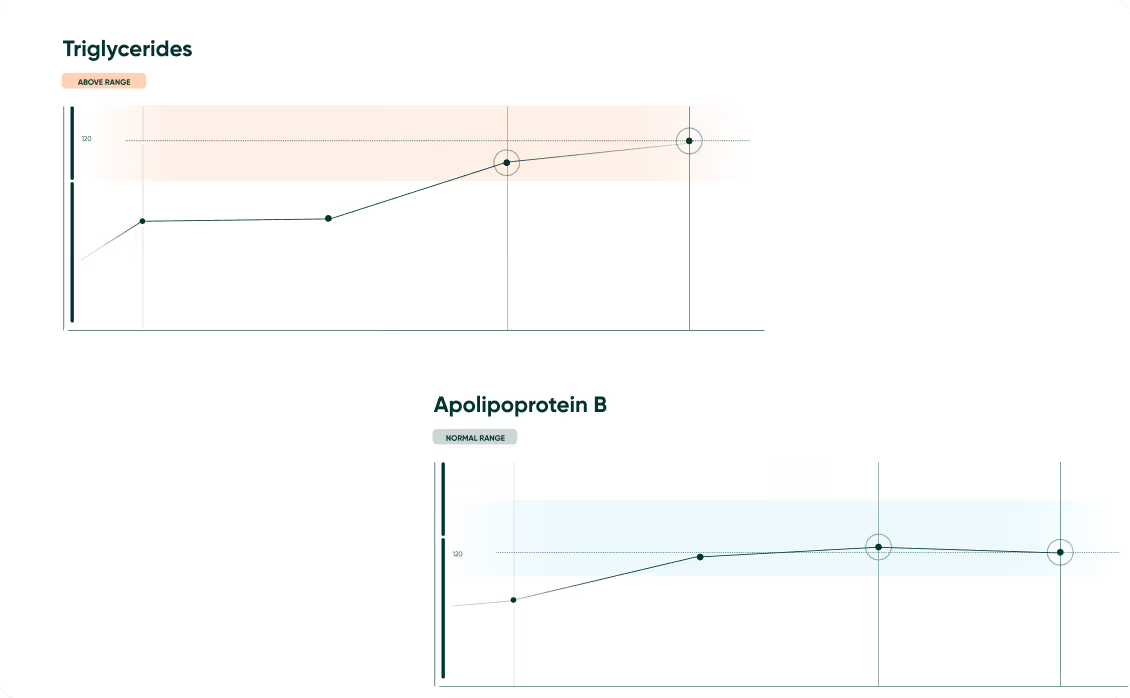
- Apolipoprotein B - primary protein component of harmful plaque-forming lipoproteins that transport cholesterol through the blood, serving as a stronger predictor of cardiovascular disease risk than LDL-C alone.
- Insulin + C-peptide - measures the level of natural insulin the pancreas is producing, to help distinguish between diabetes types, investigation of hypoglycemia, and overall evaluate how your pancreas is functioning.
- Insulin Resistance Score - measures how well your body responds to insulin, suggesting earlier risks for type 2 diabetes and heart disease than standard tests alone.
A simple blood test that confirms your blood type and compatibility which can be useful for pregnancy, surgery, or medical planning.
Who can benefit
This assessment may be appropriate for individuals who do not know their blood type or want to have this information available for personal knowledge or future medical needs.
Helps evaluate:
- ABO blood group: identifies whether your blood type is A, B, AB, or O
- Rh factor: determines whether the Rh protein is present (+) or absent (–) on your red blood cells
- Blood type compatibility information that may be relevant for medical care
A lab test designed to measure levels of certain heavy metals that can accumulate in the body over time. It evaluates exposure to arsenic, lead, and mercury, metals that, at elevated levels, may interfere with normal biological processes.
- Levels of arsenic, lead, and mercury in the blood
- Potential exposure to common environmental or occupational sources
- Patterns that may be associated with elevated heavy metal level
Who can benefit
This assessment may be appropriate for individuals who want to better understand potential active or recent exposure to heavy metals through environmental, dietary, or occupational risk factors. It may also be useful for those seeking baseline information as part of a proactive approach to health.
A blood test designed to help give you a detailed look at how well your body is absorbing and using nutrients such as vitamins, minerals, micronutrients essential for regulating your energy, immune system, metabolism, mood, and more.
Who can benefit
This assessment may be appropriate for individuals who want to better understand their nutrient levels or explore factors related to overall wellness. It may also be useful for those interested in monitoring changes over time or gaining additional insight into their nutritional status.
Can help evaluate:
- Levels of key vitamins and minerals, including B12, folate, vitamin D, and magnesium
- Markers that may be associated with nutrient status
- Liver and kidney-related biomarkers from the CMP
- Electrolyte balance and general metabolic marker
A detailed lab evaluation used to help assess key female hormones to help provide insight into a range of conditions including menstrual irregularities, infertility, polycystic ovary syndrome (PCOS), menopause, and hormone-related mood or metabolic symptoms
Who can benefit
This assessment may be appropriate for individuals who want to better understand their hormone levels, including those interested in reproductive health or hormonal changes over time. It may also be useful for those seeking additional information to support conversations about fertility or overall hormonal health.
Helps evaluate
- Hormone levels associated with ovulation and menstrual cycle regulation
- Markers related to ovarian function, including AMH
- Patterns that may be associated with reproductive hormone balance
- Indicators that may be relevant to fertility-related discussions
A detailed lab evaluation used to help assess key hormones like testosterone and estradiol to evaluate energy levels, libido, and hormonal balance in men.
Who can benefit
This assessment may be appropriate for individuals who want to better understand their hormone levels or monitor changes over time. It may also be useful for those experiencing changes in energy, mood, or other symptoms they want to explore further.
Helps evaluate
- Testosterone levels and related hormone-binding markers
- Hormones involved in reproductive and endocrine function
- Patterns that may be associated with hormone balance
- Indicators related to overall hormonal health
Disclaimer: Your results provide information that you can review with your healthcare provider to better understand your overall health profile. These tests do not diagnose or predict any specific condition.
What to expect with your Prenuvo Results Report
After your MRI screening is complete, your results will be available as a report in your patient dashboard. You can also schedule a Prenuvo Results Review with a Prenuvo provider to go over your imaging and lab results and better understand the findings in your report.
How to book
Lab panels are included within Prenuvo Memberships. Once your scan is booked, you will receive instructions to schedule your blood draw with one of our partner labs so results are available for your Prenuvo Results Review.

Executive
Our most in-depth membership combines a Whole Body Scan, Advanced Brain Health Scan, Body Composition Analysis, and our most detailed lab panel assessment. All designed to support long-term health and longevity.

Comprehensive
A proactive health assessment that pairs our Whole Body Scan with detailed lab panels to help provide information about multiple areas of the body.

Core
Our entry-level proactive health membership that includes a Focused Scan and lab panel assessment to learn your health baseline.
Frequently asked questions
Each lab panel builds on the previous one, offering increasing depth of insight into your health:
Core Panel – Focuses on essential biomarkers related to metabolic health, liver and kidney function, and basic blood health markers.
Comprehensive Panel – Expands on the Core Panel with additional markers for inflammation, thyroid stimulating hormone, cardiovascular risk, and metabolic health, along with a repeat panel at 6 months.
Executive Panel – The most in-depth option, including detailed biomarkers for a broader spectrum of reproductive and thyroid hormones, nutrient status, and specialty testing, plus a repeat Comprehensive Panel at 6 months and a results review with a Prenuvo provider.
Once you book your membership package or standalone imaging service with add-on lab panels you will receive an email that includes your lab requisition and instructions on how to book your lab appointment.
When booking your appointment:
- Select “all other tests” as the test category
- For insurance choose, you will not need to provide insurance, as the requisition is included in your Prenuvo Membership.
Prenuvo currently partners with Quest Diagnostics for all bloodwork, except in New York and New Jersey, where BioReference is used instead. Lab partners are subject to change.
In Hawaii, patients need special instructions from the Enhanced Scan Concierge team.
Lab panels are designed to complement your Prenuvo Whole Body MRI or Focused Scan by providing a deeper, more holistic view of your health. Unlike standard blood tests that focus on a limited set of markers, our panel includes advanced testing that pairs with your MRI results, to provide a more complete picture of your overall health, helping to identify potential risks and optimize your wellness strategy.
Fasting instructions below for exact timing needed prior to your appointment (4-8 hours depending on which lab panels you purchased).
- Water is fine, but avoid food, coffee, and other beverages.
- Be well hydrated.
- Hydration can make the process easier and reduce the risk of clotting.
- Avoid alcohol for 72 hours, creatine for 1 week, and biotin or supplements for 2–3 days.
- Scheduling blood draws in the morning between 8am and 10am is best for hormone accuracy (e.g. for testosterone, insulin)
For the Executive Panel and Cardiometabolic Panel we recommend fasting for at least 8 hours (ideally 8-12 hours) before your blood draws.
For the Core and Comprehensive Panel we recommend fasting for 4 hours prior to your blood draws.
The add-on lab panels listed below also provide the best results when fasting for 4 hours:
- Food Allergy Panel
- Environmental Allergy Panel
- Type and Screen Panel
- Cognitive Health Panel
- Heavy Metals Panel
- Female Hormonal Panel
- Male Hormonal Panel
- Nutrient Panel