



You’ve probably been hearing a lot about Zone 2 cardio, but have you ever wondered why something as simple as running at a conversational pace can be beneficial?
Whether you enjoy diving into cellular mechanics or just want the plain-English takeaway, this breakdown gives you both. Below, we explain some of the biological adaptations associated with low-intensity aerobic training, followed by what they may mean for your body in everyday life.
What is Zone 2 cardio?
Zone 2 generally refers to low-intensity aerobic exercise performed just below your first lactate or ventilatory threshold—the point at which breathing becomes noticeably harder and lactate begins rising above its baseline level. On consumer fitness trackers, Zone 2 often falls around 60–70% of your estimated maximum heart rate, although the exact range can vary considerably from person to person.
In simpler terms, it is steady exercise at a pace where your breathing has increased but you can still hold a conversation. This intensity is sustainable enough to maintain for an extended period, giving your heart, blood vessels and muscles time to respond to a prolonged aerobic challenge.
The adaptations associated with Zone 2 are not necessarily unique to this one intensity. Research suggests that similar changes may also occur with exercise performed somewhat above or below it. One of Zone 2’s advantages is that it allows many people to accumulate aerobic training time without the fatigue associated with repeated high-intensity workouts.
How Zone 2 cardio can positively change your cardiovascular system
1. Structural adaptation and stroke volume
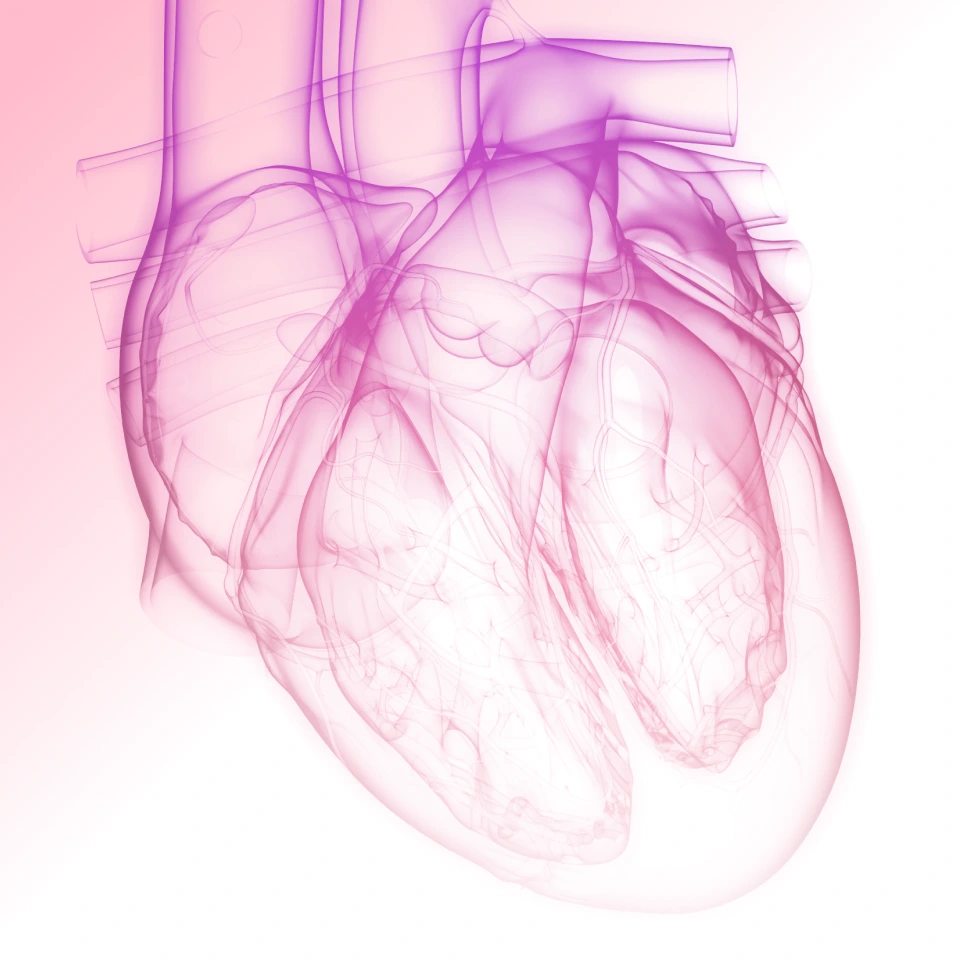
During aerobic exercise, working muscles require more oxygen, so the heart must move more blood through the body. Increased venous return brings more blood back to the heart, raising the volume that enters the left ventricle during diastole, the heart’s filling phase.
When endurance training is performed consistently and at a sufficient volume, repeated exposure to this increased volume can contribute to physiological cardiac remodeling. Depending on the person and the amount of training, this may include a larger left ventricular chamber, improved ventricular compliance and an increase in stroke volume—the amount of blood pumped with each beat.
These structural changes are more consistently observed in endurance athletes and people completing substantial, long-term training programs, so not everyone who performs Zone 2 exercise will develop a measurably larger heart chamber. But endurance training can still improve how effectively the cardiovascular system responds to exercise. Over time, a higher stroke volume is one reason aerobically trained people often develop a lower resting heart rate.
What this means in simple terms: A more efficient pump
Your heart has to move more blood when you exercise. With consistent aerobic training, it can become better at filling and pumping, allowing it to send more blood out with each beat.
That does not necessarily mean everyone’s heart becomes dramatically larger. It means the heart can become more efficient, which may help explain why your resting heart rate can decrease as your fitness improves.

2. Endothelial function and vascular flexibility
As blood flow increases during aerobic exercise, it creates repeated shear stress along the endothelium, the thin layer of cells lining the inside of your blood vessels. Although “stress” may sound harmful, this particular mechanical signal plays an important role in healthy vascular adaptation.
Shear stress activates endothelial nitric oxide synthase, an enzyme involved in producing nitric oxide. Nitric oxide signals the smooth muscle surrounding blood vessels to relax, allowing the vessels to widen and accommodate increased blood flow.
With regular aerobic training, these repeated signals can improve endothelial function. Exercise has also been associated with reductions in arterial stiffness and resting blood pressure, although the size of the effect varies based on a person’s baseline health, training program and other factors.
In simple terms: More responsive blood vessels
As more blood moves through your vessels, it creates a gentle signal along their inner lining. That signal helps your blood vessels relax and expand when more blood needs to pass through.
Over time, regular aerobic exercise can help your vessels respond more effectively, making it easier for your cardiovascular system to adjust to changing demands and potentially supporting healthier blood pressure.
3. Mitochondrial biogenesis and angiogenesis
At Zone 2 intensities, muscle cells produce most of their energy through aerobic metabolism, which uses oxygen to generate adenosine triphosphate, or ATP. The body uses a combination of fat and carbohydrates for this process. Compared with higher-intensity exercise, a greater proportion of energy will generally come from fat, but Zone 2 does not rely on fat exclusively.
This sustained aerobic demand activates molecular signaling pathways that help muscles adapt to future exercise. One important regulator is PGC-1α, a protein involved in mitochondrial biogenesis and the development of the muscle’s oxidative capacity.
Two important adaptations can follow:
- Greater mitochondrial content: Regular endurance training can increase the amount of mitochondria in skeletal muscle. These structures produce much of the ATP required for sustained activity, improving the muscles’ capacity to use oxygen and generate energy aerobically.
- Greater capillary supply: Aerobic training can also promote angiogenesis, or the growth of capillaries around muscle fibers. More capillaries increase the surface area available for oxygen and nutrient exchange while shortening the distance oxygen must diffuse to reach working muscle.
A large systematic review found that low- or moderate-intensity continuous endurance training increased both mitochondrial content and the number of capillaries surrounding muscle fibers. Higher-intensity training can produce many of the same adaptations, but continuous endurance exercise may be particularly useful for building capillary density because it can be sustained for longer periods.
In simple terms: More engines and better micro-plumbing
Mitochondria are like tiny engines inside your muscle cells: They use oxygen and fuel to produce energy. With regular aerobic training, your muscles can build more mitochondrial capacity, helping them sustain activity more efficiently.
At the same time, your muscles can expand their network of microscopic blood vessels. This gives oxygen and nutrients more places to move from the blood into the muscles that need them.

4. Autonomic regulation and recovery
Your autonomic nervous system regulates involuntary functions such as heart rate and blood pressure. It includes the sympathetic nervous system, which helps increase cardiovascular activity, and the parasympathetic nervous system, which helps slow the heart and support recovery.
When any exercise begins, parasympathetic activity decreases and sympathetic activity rises, allowing your heart rate to increase. Zone 2 does not activate the body’s relaxation system during the workout. Instead, it generally produces a smaller acute autonomic and hormonal demand than high-intensity exercise.
Because Zone 2 is performed below the first lactate or ventilatory threshold, it is usually more sustainable and less disruptive to recovery than harder training. Over time, regular aerobic exercise is associated with a lower resting heart rate and may improve some measures of autonomic regulation, including heart rate variability. These effects vary by individual and are not exclusive to Zone 2.
In simple terms: A system that shifts gears more efficiently
Your body still moves into “exercise mode” during Zone 2: Your heart rate rises, and your nervous system helps send more blood to your muscles. But the response is generally less intense than it would be during an all-out workout.
With consistent aerobic training, your body may become better at regulating heart rate at rest and returning toward baseline after exercise. Think of it as becoming more efficient at shifting between effort and recovery.
Federal physical activity guidelines recommend that adults get at least 150 minutes of moderate-intensity aerobic activity or 75 minutes of vigorous aerobic activity each week. For additional benefits, adults can work toward 300 minutes of moderate activity per week. These recommendations do not need to be met entirely through Zone 2, and aerobic activity can be combined with strength training and other forms of movement.
Related: How to maintain muscle and strength as you age
Looking beyond your workout data
Fitness trackers can tell you how your heart responds during a workout, but they cannot show everything happening beneath the surface. If you are curious to learn more about your body, imaging may add another layer of information.
A Prenuvo Whole Body Scan provides detailed structural imaging across major organ systems, while the Advanced Heart Health Scan uses MyoStrain analysis to measure how the heart muscle moves and contracts across multiple regions. When imaging is repeated, these insights may also support comparison over time.
The Advanced Heart Health Scan is intended to complement, not replace, standard cardiac evaluation. It does not diagnose heart disease, assess coronary artery blockages or determine heart attack risk.
To learn more about the benefits of whole body MRI, the Advanced Heart Health Scan, or Prenuvo Memberships, you can book a call with the Patient Services Team.