
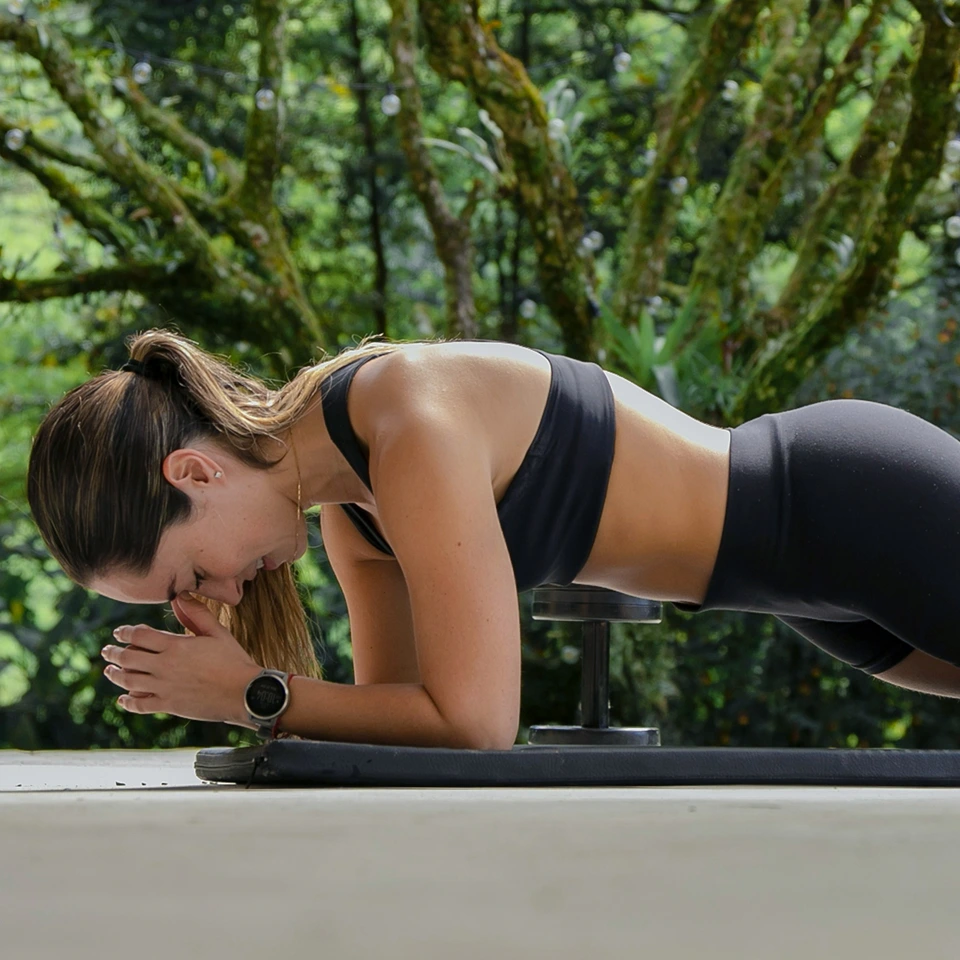



The research linking exercise to health is undeniable. It can help you maintain a healthy weight, boost your mental health, and reduce your risk of conditions like heart disease and some cancers, and increase your chances of living longer.
We all know that exercise is good for us. And many of us do our best to work it in, whether that’s committing to a weekly workout class, hopping on an exercise bike every morning, or going for long walks in the evening. For many people, especially busy professionals and working parents, getting “enough” exercise can be hard to do. But studies show that doing some exercise is better than not doing any at all.
The big question is, what’s the lowest amount of exercise needed to see real benefits?
The “minimum effective dose” of exercise
Ultra marathon runners, Olympic competitors, and athletes who train for a living may be in pristine health. But you don’t have to engage in elite athletic training to see health benefits. Enter the concept of minimum effective dose (MED), a term borrowed from medicine and physiology that refers to the smallest amount you can do and still see real results.
And that minimum exercise threshold is lower than most people think.
While research consistently shows that people who exercise more tend to have better health outcomes than those who don’t, doing smaller amounts can still deliver meaningful benefits. In fact, some of the biggest gains happen when you go from doing nothing to doing just a little. In a large pooled analysis, people who exercised less than the recommended amount still had about a 20% lower risk of death compared to those who did none at all.
Cardiovascular exercise: what your heart actually needs
Aerobic exercise can help reduce your risk of cardiovascular events and certain cancers. It can improve your VO₂ max, your body’s ability to efficiently consume oxygen during intense exercise, which is a key pillar of longevity, reduce blood pressure, improve your cholesterol and even boost your mood. So how much do you need to do to help accomplish these things?
The World Health Organization recommends adults ages 18 to 64 engage in at least 150 minutes of moderate-intensity physical activity, 75 minutes of vigorous physical activity per week, or the equivalent combination of both. But the organization also stresses that “some physical activity is better than none.” The American Heart Association defines moderate-intensity activity as dancing, gardening, biking, water aerobics, or brisk walking. Their examples of vigorous-intensity workouts include running, swimming laps, jumping rope, heavy yardwork, tennis singles, and cycling over 10mph. Think of vigorous activity as an intensity that makes it difficult to hold a conversation while you do it, such as jogging on a treadmill.
Research has found that people who only performed 15 minutes of vigorous physical activity per week still had a 17% reduced risk of death compared with those who were inactive. When that number increased to 50 minutes per week, risk was reduced by 36%.
Don’t have time to log a big workout session at once? Even short bursts of exercise, often referred to as “exercise snacks” throughout the day can also make a big difference. One study found that small amounts of vigorous intermittent exercise during daily living like very fast walking or stair climbing for one to two minutes was associated with lower cancer risk.
Strength training: the underrated pillar of health
Cardio tends to get most of the attention, but strength training plays a critical role in health. Research shows that having more muscle mass makes you much more likely to live longer. Some studies even show that older adults who have low muscle mass are 50% more likely to die earlier.
Muscle isn’t just something that helps you lift things and maintain an attractive physique. It’s metabolically active tissue that plays a central role in insulin sensitivity and glucose regulation. Studies show that muscles do most of the work when it comes to managing blood sugar, handling up to 80% of glucose after you eat, making it key for blood sugar regulation.
It’s also protective against injuries and frailty, which can help to maintain your independence later in life. In older adults, falls account for 65% of hospitalizations. High-intensity resistance training can reduce the risk of falling by as much as 57%. Resistance training is also key in protecting joint health and regulating metabolic health.
So how much do you need to strength train to see a difference? Not as often as you might think. The current Physical Activity Guidelines for Americans says to aim for at least two days a week. During these sessions, you should work all major muscle groups (legs, hips, back, abdomen, chest, shoulders, and arms). You can either do exercises that target all of these muscles in a single session several times a week, or lift more frequently and focus on the different muscles in groups—like arms and shoulders on Mondays and legs on Wednesdays. And you don’t have to stay at the gym pumping iron for hours like the bodybuilders. Sessions can be around 30 minutes to be effective.
Your body composition, which is the balance between fat and muscle in your body also matters. Because muscle plays such a central role in metabolism and long-term health, having more of it, and maintaining it as you age, can make a real difference in how healthy you are over time. And not all fat is visible. Visceral fat, which sits deep within the abdomen around internal organs, has been consistently associated with increased risk of conditions like heart disease, type 2 diabetes, and inflammation. Because it isn’t always reflected in weight or appearance, assessing body composition through clinical screenings can provide a picture of your metabolic health. Prenuvo’s Body Composition Analysis is one way to measure and track these insights over time. Additionally, Prenuvo internal research shows visceral fat is consistently associated with metabolic risk and inflammation.
Related: Why you should be tracking your body composition
Exercise and brain health
Exercise isn’t just good for your body; it can also have a profound effect on brain health. Research shows physical activity can improve your cognitive function, boosting areas like your memory and thinking skills. It has also been linked to reducing one’s risk of dementia and Alzheimer’s disease. Regular exercise can support mood and mental health, as well as help you to reduce stress.
When you exercise, it increases blood flow to the brain, delivering more oxygen and nutrients that support brain function. It also stimulates the release of brain-derived neurotrophic factor (BDNF), a protein that helps brain cells grow, strengthen, and form new connections.
This process supports neurogenesis, the creation of new neurons, particularly in the hippocampus, or the part of the brain involved in memory and learning. Over time, these changes have been shown to increase hippocampal volume and improve memory performance in adults.
Over time, the improved blood flow to the brain, reduced inflammation in the body, and improvement of metabolic health from exercising can also help protect the brain and slow age-related cognitive decline.
Additionally, according to Prenuvo internal research higher muscle volume has been associated with better long-term health outcomes, including markers tied to brain aging.
Related: 6 powerful brain exercises to help sharpen your mind
Why the “minimum” still works
It’s easy to think of exercise as an all-or-nothing endeavor. But when it comes to exercise, every bit counts.
And if you’re just getting started or hopping back in after a while of inactivity, that’s okay. The benefits of exercise scale gradually. Yes, there are guidelines on how much to do, but you don’t need to hit a perfect target to see results. Small increases in activity can still improve your health, and those gains build over time. Studies show that even people who workout less than the recommended amount still see meaningful health improvements. And that those benefits continue to increase as activity levels go up.
Related: How to maintain muscle and strength as you age
A detailed picture of your health
While exercise is one of the most powerful ways to improve your health, it’s only part of the picture. Understanding how being active is affecting your body can offer a more informed view of your health. Screenings like Prenuvo’s Whole Body Scan, Body Composition Analysis, Advanced Heart Health Scan, and Advanced Brain Health Scan can help identify how your lifestyle choices such as movement, strength training, and day-to-day activities are influencing your health beneath the surface.
These proactive health assessments can help provide insight into things like muscle mass, visceral fat, imaging-based cardiovascular markers—such as aortic size, fat around organs, and heart structure— as well as brain health markers—such as brain volume, white matter integrity, and signs of microvascular changes. These insights can help you to better understand where you are today, and where small, consistent changes may have the biggest impact over time. They can also enable you to track your efforts to see how they may be paying off over time. Combined with Prenuvo’s advanced bloodwork, these insights can be used alongside lab values like cholesterol, inflammation markers, and genetic risk factors for heart disease, to create a more detailed picture of risk and progress.
To learn more about the benefits of Prenuvo’s Whole Body Scan, Body Composition Analysis, and see which Prenuvo Membership is right for you, book a call with a member of the Patient Services Team.