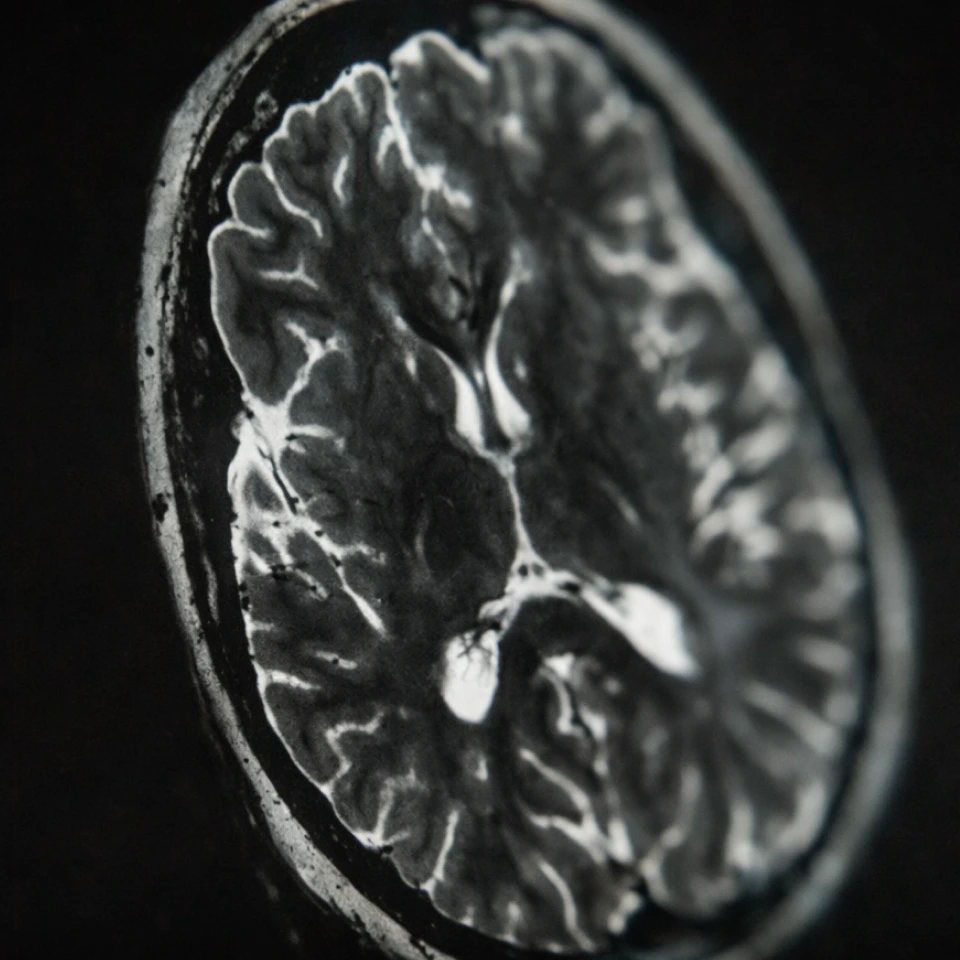




Imagine going to a single appointment, lying inside a machine for about an hour, and walking out with a head-to-ankle snapshot of your body’s interior: kidneys, liver, spine, lymph nodes, and more, all without radiation, or the preparation that comes with a colonoscopy. That is the promise of whole body MRI screening, and it is no longer science fiction.
But as the technology advancements become more widely accepted, a heated debate has followed. Critics argue that you cannot compare a single sweeping scan to the gold-standard tests medicine has spent decades refining. Proponents counter that the critics are asking the wrong question entirely. The real story, researchers say, is not about competition, but about coverage. “Most cancers are found only after symptoms appear,” notes a landmark analysis from NORC at the University of Chicago, which estimated that only about 14% of cancers in the United States are detected through routine screening. That statistic, largely invisible in public conversation, sits at the heart of the case for whole body MRI.
Key stats at a glance
- 14% of U.S. cancers detected via routine screening
- ~1–2% of asymptomatic people found to have cancer via whole body MRI
- 68% of whole body MRI-detected cancers in organs with no standard screening
What is a whole body MRI and why does it matter?
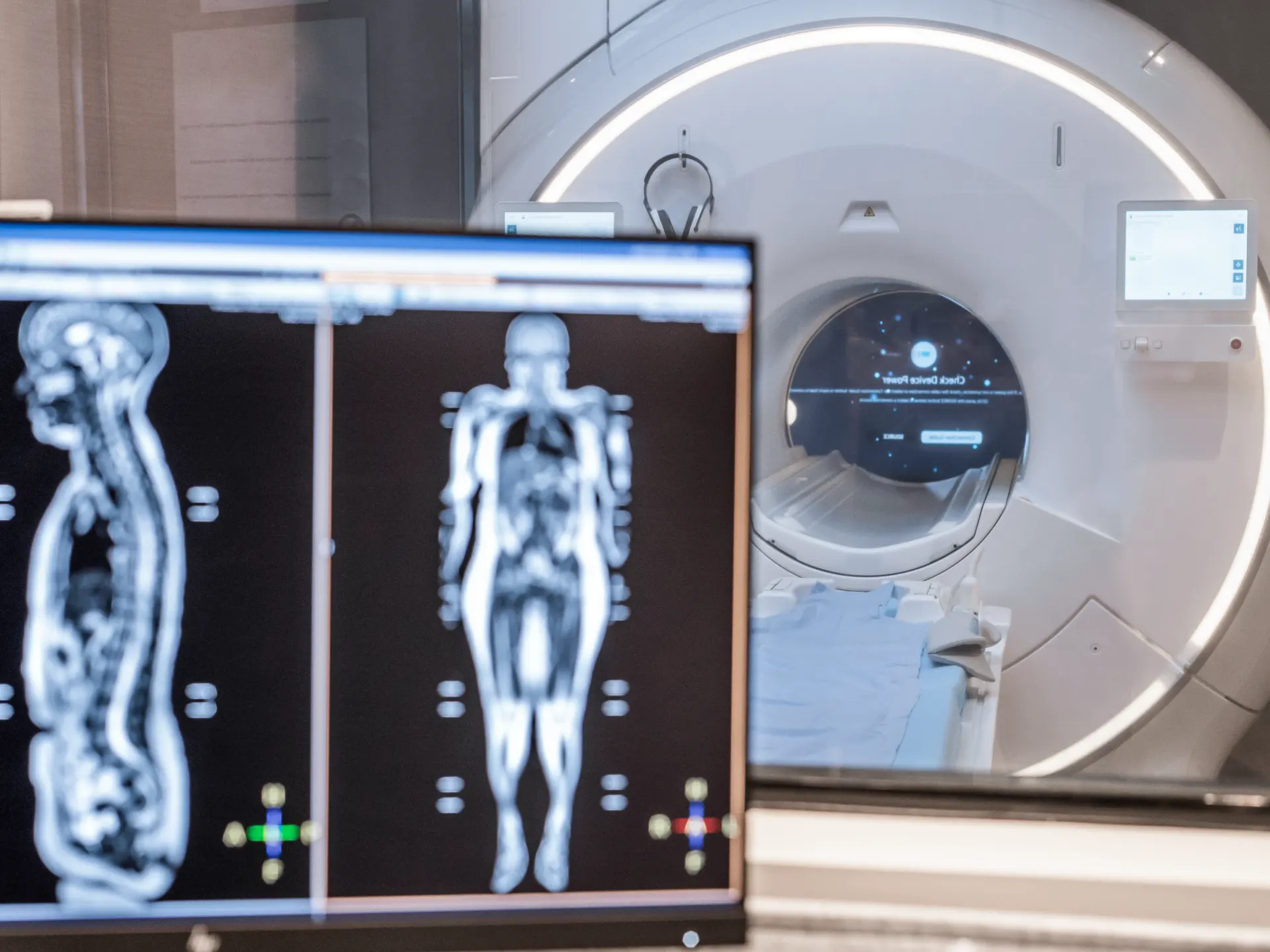
Magnetic resonance imaging (MRI) uses powerful magnets and radio waves, not X-rays, to produce detailed pictures of tissue inside your body. A whole body MRI applies that technology from head to ankle in a single session, often enhanced by a technique called diffusion-weighted imaging (DWI), which highlights areas of abnormal cell density that can signal cancer.
Traditional screening tests are, by design, specialists. Mammography looks only at breast tissue. Colonoscopy examines the large intestine. Low-dose CT scans screen for lung cancer in heavy smokers. Cervical screening catches abnormal cells on the cervix. Each of these is remarkably good at its specific job, but that is also the limitation. They are looking at one room in a very large house.
Whole body MRI is a different kind of screening. Think of it less like a specialist and more like a general survey of the whole building. Researchers describe whole body MRI as an imaging-based multicancer detection (MCD) strategy, designed to scan multiple organ systems in one visit, including many organs that no standard screening program currently addresses.
The study that’s turning heads
In one of the most significant recent datasets in this field, researchers followed over 1,000 asymptomatic adults who underwent screening whole body MRI. The results, published in Cancer Research in 2025, were striking. 2.2% of participants were found to have cancers confirmed by tissue biopsy. Of those, an estimated 64% appeared to be localized, meaning they had not yet spread at the time of detection. Crucially, 68% occurred in organs that have no standard screening program. In other words, most of the cancers whole body MRI found would likely never have been detected at all under current guidelines.
That study was then incorporated into a broader systematic review and meta-analysis published in European Radiology in 2025, which pooled data from more than 9,000 asymptomatic individuals across multiple studies. The pooled cancer detection rate: approximately 1.6%, a meaningful number when you consider these are people who had no symptoms and no specific reason to suspect cancer.
Why comparing tests side-by-side can be misleading
Here is where the debate gets subtle, and important for any patient trying to make sense of it.
At first glance, it may seem intuitive to compare detection rates across screening types. Mammography, for example, detects cancer in roughly 0.5% of women screened, while colonoscopy identifies colorectal cancer in approximately 0.27–0.33% of average-risk individuals. Whole body MRI has been shown to detect cancer in about 1–2% of individuals screened. But placing these figures side by side can be misleading.
These tests are designed with fundamentally different goals in mind.
Traditional screening programs are highly targeted. They focus on specific cancers within populations already stratified by age or risk factors—whether that’s mammography for women within certain age ranges or lung CT scans for individuals with a history of heavy smoking. By design, these are narrower lenses applied to higher-risk groups.
Whole body MRI operates differently. It is not confined to a single organ or disease, nor is it limited to a narrowly defined risk group. Instead, it offers a broad, system-wide view of the body, helping screen for cancers as well as a wide range of other abnormalities, from aneurysms to metabolic and structural conditions.
That distinction matters.
In a generally asymptomatic population, identifying cancer in 1–2% of individuals is only part of the story. The broader value lies in the ability to surface multiple categories of potential health issues in a single, comprehensive scan, many of which fall outside the scope of traditional screening pathways.
Rather than serving as a replacement or direct comparator to established screening tests, whole body MRI stands alongside them as a complementary approach, particularly for those seeking a more expansive, proactive understanding of their health. It reflects a different philosophy of screening: one that prioritizes breadth, early visibility, and the opportunity to help detect a wider spectrum of conditions before symptoms appear.
The screening gap: What falls through
- Early-onset colorectal cancer: Rates in people under 45 have been rising for years, a population below the standard screening age threshold.
- Lung cancer in non-smokers: A meaningful proportion of lung cancers occur in people who never smoked heavily and don’t qualify for low-dose CT programs
- No program at all: Kidney, pancreatic, ovarian, and many other cancers have no routine screening for average-risk individuals.
- Elevated genetic risk: Individuals with risk factors but no single defined syndrome may fall outside eligibility for enhanced surveillance. In some cases, high-risk groups do have surveillance programs, some of which include whole body MRI
A side-by-side look at how screening methods compare
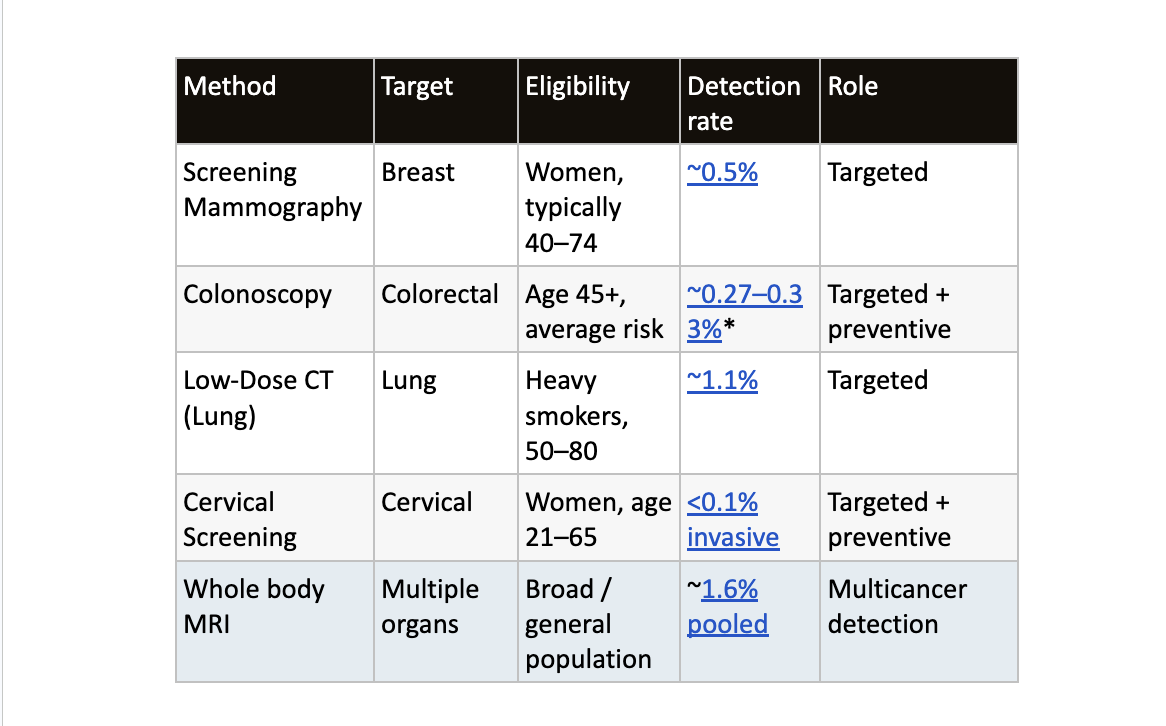
Whole body MRI is not defined by a single detection rate, but by its ability to screen across organ systems and disease categories in one session. Its value lies in expanding what screening can uncover, particularly in asymptomatic individuals seeking a more comprehensive view of their health. When researchers look at cancer detection across populations, the numbers tend to fall within a relatively narrow range. But focusing solely on detection rates misses the bigger picture.
Where blood testing fits in
Whole body MRI is not the only newcomer in the multicancer detection space. A wave of blood-based tests, often called liquid biopsies or multicancer early detection (MCED) tests, analyze fragments of DNA shed by tumors into the bloodstream.
But blood tests and whole body MRI have different strengths. A blood test might indicate that cancer is likely present and point toward a tissue of origin ( hough accuracy varies), but it always needs follow-up imaging to pinpoint the location. Whole body MRI goes straight to anatomy: it shows you exactly where the abnormality is, typically requiring a diagnostic exam that can guide biopsy or other workup. Researchers increasingly suggest these two approaches may work best in tandem, as complementary layers of a future coordinated screening strategy.
Related: What happens when you combine whole body MRI with blood labs
What patients should know right now
Whole body MRI screening is available at some academic medical centers and private imaging clinics like Prenuvo, but it is not yet part of any standard national screening guideline in the United States or most other countries. And insurance typically does not cover it for asymptomatic, average-risk individuals.
Doctors also acknowledge the potential for incidental findings, areas that may look unusual but are ultimately benign. These findings can sometimes lead to additional follow-up, which is why thoughtful protocols and clinical oversight are essential. As with any comprehensive screening approach, the field continues to evolve, with ongoing research focused on improving how these findings are interpreted and managed responsibly.

Key questions to ask your doctor
- Am I already eligible for standard screening programs (mammography, colonoscopy, lung CT)? Start there.
- Do I have a family history or genetic risk that might make broader screening more appropriate?
- What happens if something ambiguous is found? Who interprets results and what’s the follow-up plan?
- What does this cost, and is any portion covered by my insurance?
- Is the facility accredited and experienced specifically in screening whole body MRI (not just diagnostic MRI)?
Where that leaves us
Whole body MRI is not a replacement for the tests your doctor already recommends. Mammography, colonoscopy, cervical screening, and lung CT each have decades of evidence behind them and, in some cases, the ability to prevent cancer outright by catching precancerous lesions. Those benefits are real and well-documented, and whole body MRI does not replicate them.
What whole body MRI offers is something different: a way to help detect cancers that may slip through the gaps of existing programs. In a world where only 14% of cancers are detected through routine screening, that gap is not a footnote. It is the main story.
The science is still maturing. Long-term mortality data, the gold standard for proving a screening test saves lives, is not yet available for whole body MRI at scale. Researchers are clear that further prospective studies are needed before this approach can be formally recommended for general populations. But the early evidence is compelling enough that patients and their doctors are asking the right question: not whether whole body MRI beats established tests, but whether it can work alongside them.
To learn more about the benefits of whole body MRI and Prenuvo Memberships, book a call with the Patient Services Team.
For more on whole body MRI vs. traditional cancer screening, read our white paper from the Research Team.