




Many people sign up for a whole body MRI, get their results, and breathe a sigh of relief. Some receive confirmation that they’re in good health, along with a few informational findings. Others may have had a health issue pop up that they have since taken care of. They’ve made an appointment with their doctor, gone in for follow-up testing, and received treatment. Regardless of the outcome, it can be easy to think of a whole body MRI as something you do once and is a box you check on the path to learning more about your health.
But health isn’t static. Your body is constantly changing, even when you feel the same. By the time you’re due for your next scan, new findings can emerge, existing findings can remain stable, and subtle shifts in areas like body composition, metabolic health, and cardiovascular health can occur.
According to internal Prenuvo data, approximately 24% of members who book a second scan do so between 18 and 24 months after their first. But our clinical team recommends coming back sooner with a follow-up scan every 12 months. Here's why.
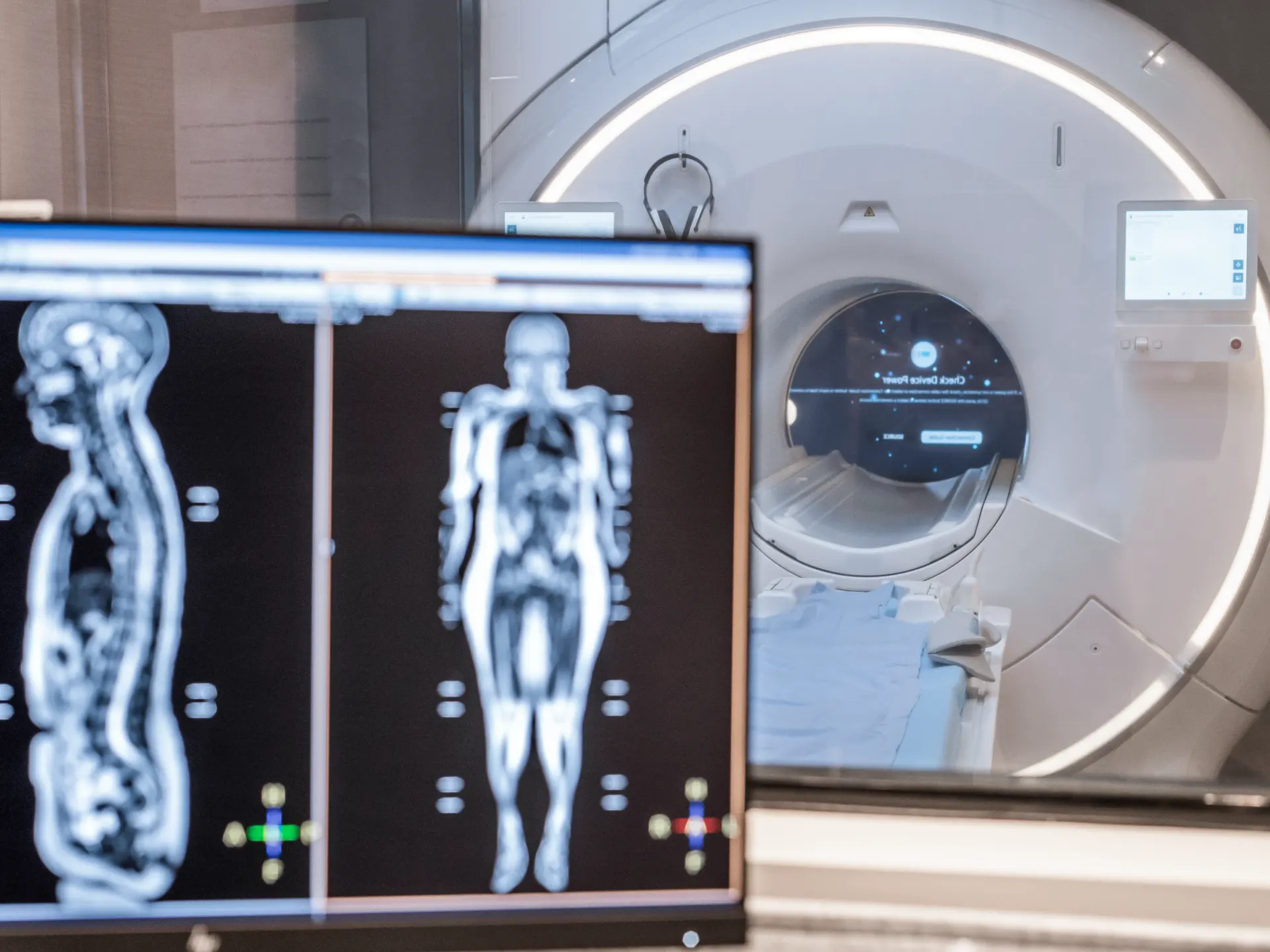
Your first scan gives you a baseline. Your second scan gives you context.
Your first scan answers an important question: What does my health look like today?
You walk away with a detailed view of where your health is today, at this moment in time. This can help you better understand what's happening inside your body and identify areas that may require follow-up or monitoring. It also establishes a health baseline as a starting point against which future scans can be compared.
That’s why most people think of their first Prenuvo scan as the most important one. It helps identify potential concerns and provides added visibility into their health for the first time. But in many ways, the second scan is where the story begins.
The second scan begins to provide an added layer of answers to:
What is changing?
Comparing your latest results to your previous scan can help you begin to understand how your health is evolving over time.
What is stable?
While some findings can improve or worsen, many remain stable. A follow-up scan can help provide clarity around whether previously identified findings have changed or remained consistent over time.
Are my efforts making a difference?
Your second scan can help provide additional insight into the effect that lifestyle changes and other health interventions may be having on your body.
Health changes even when you feel the same
You may feel the same as you did last year but not all health changes come with obvious symptoms. Many changes occur gradually and silently, making them more difficult to identify without ongoing monitoring.
One example is subtle shifts in body composition. Visceral fat can accumulate over time even when body weight remains relatively stable. Muscle mass can decline gradually with age, a process known as sarcopenia, and may begin long before it affects strength or mobility. New cysts or benign growths can develop without causing symptoms.
Related: What you get in your Prenuvo Body Composition Analysis Report
While some brain changes are common with age, others may be influenced by factors such as chronic stress, poor sleep, cardiovascular health, and other lifestyle factors. Gradual changes can also occur within internal organs and the cardiovascular system, whether that’s the presence of new growths or structural changes involving the heart and blood vessels that can develop over time.
While many of these changes are a normal part of growing older, others may reflect shifts in health that could benefit from monitoring. Tracking them over time can help provide a more complete picture of what's happening beneath the surface.
Why annual tracking matters
A blood biomarker within a “normal” range or a typical appearance on a scan is great peace of mind at the moment. But many aspects of health are best understood over time. One scan can provide valuable information about your health today, but annual tracking can help reveal patterns, trends, and changes that may not be apparent from a one-time assessment.
This can be particularly true for body composition. Changes in muscle mass and visceral fat distribution often occur gradually. This can lead to increased risks of metabolic health conditions like type 2 diabetes. Looking at brain health year over year can help track structural changes over time, and may help to flag cognitive changes that could benefit from early intervention.
A blood test may reveal that an A1c level may still fall within the normal range, but a gradual increase over several years could provide important context about metabolic health, potentially indicating that insulin resistance and risk of diabetes is elevating over time. This is also true for markers like cholesterol, inflammation, and hormones.
LDL cholesterol, for instance, may remain within the normal range but trend upward year after year. Inflammatory markers may gradually increase over time, potentially signaling a higher risk for conditions like cardiovascular disease, insulin resistance, type 2 diabetes, and metabolic syndrome. Tracking hormonal shifts year over year can also provide insight into changes associated with aging and metabolic health.
Comparing whole body MRI and blood biomarker results year over year can help provide a clearer picture of whether health metrics are improving, remaining stable, or moving in a direction that may warrant attention.
Related: How you could potentially fix what a whole body MRI may find
The power of comparing you to you
Traditional healthcare often relies on population averages and reference ranges. So when you get a test performed, you’re being told where your results fall within what healthcare considers normal for the general population. While these benchmarks can be useful, they don’t always tell the full story. That’s because what’s normal for one person may not necessarily be normal for another.
Getting repeat scans and bloodwork gives you a unique advantage. It allows you to track what’s typical or out of range for you. So instead of comparing yourself to the general population, you have the ability to look at your current health in relation to your own baseline.
Your first scan and set of bloodwork become your personalized baseline. Each repeat scan and blood biomarker check gives you the ability to measure against where you were the last time you checked in. This enables you to see what’s remained stable and what’s changed, empowering you to visualize how your lifestyle changes are impacting your health and to take action on anything that may be out of the range of normal for you.
It can also provide valuable context that a single scan or blood test cannot. For instance, your cholesterol levels may appear to be in the normal range, but if they are rising compared to last year’s tests, that may signal that something is happening behind the scenes. And an imaging finding that appears unremarkable on its own may tell a different story when viewed alongside prior scans.
When you compare your current results to your past results, you gain a more personalized understanding of how your health is changing over time. So instead of relying solely on how you compare to everyone else, you can see how you compare to the person you were one, two, or even five years ago.
This helps transform monitoring your health from a series of isolated results into a detailed picture of your individual health journey.
Related: What happens when you combine whole body MRI and blood work?

A year can be enough time to see meaningful changes
You may think that a year is too soon for health changes to appear. But when it comes to your health, meaningful changes can occur in as little as 12 months.
Many of these changes can be positive. Your body composition could improve, showing you’ve gained more muscle mass and lost visceral fat. You may see signs of better metabolic health due to healthy lifestyle choices you have made. Repeat imaging and bloodwork can provide evidence that healthier habits are also being reflected internally, not just in how you feel day to day. And sometimes, changes can be more unexpected, with new abnormalities arising or findings that require follow-up and monitoring.
Annual tracking can help provide the context needed to better understand how your health is changing and where it may be headed.
Related: You may not be the same person you were last year
Prenuvo Memberships were designed to provide much more than a one-time look at your health
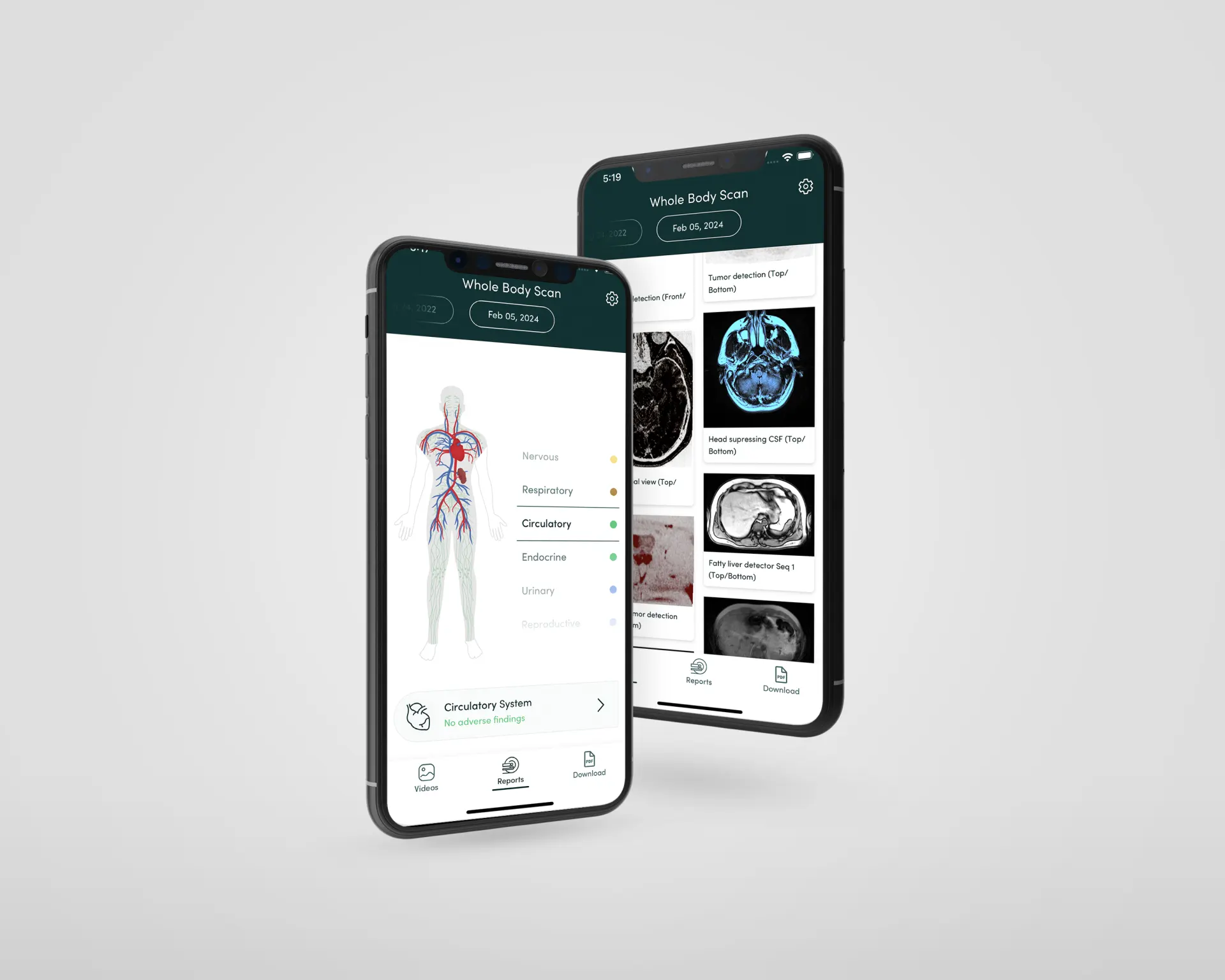
They support ongoing imaging, repeat bloodwork, and longitudinal tracking, enabling you to build a more complete picture of your health year after year–in one place. Repeat Prenuvo scans and bloodwork can be compared against your previous results, providing added context about how your health is evolving over time.
Rather than approaching health as a series of disconnected appointments and tests, memberships help support a more continuous approach to monitoring and understanding your health.
Related: How to choose the right health membership for you
Learn how Prenuvo Memberships can help you build a more complete picture of your health over time. To learn more about the benefits of Prenuvo’s Whole Body Scan, Body Composition Analysis, Advanced Brain Health Scan, Advanced Heart Health Scan, blood biomarker testing, and to see which Prenuvo Membership is right for you, book a call with a member of the Patient Services Team.