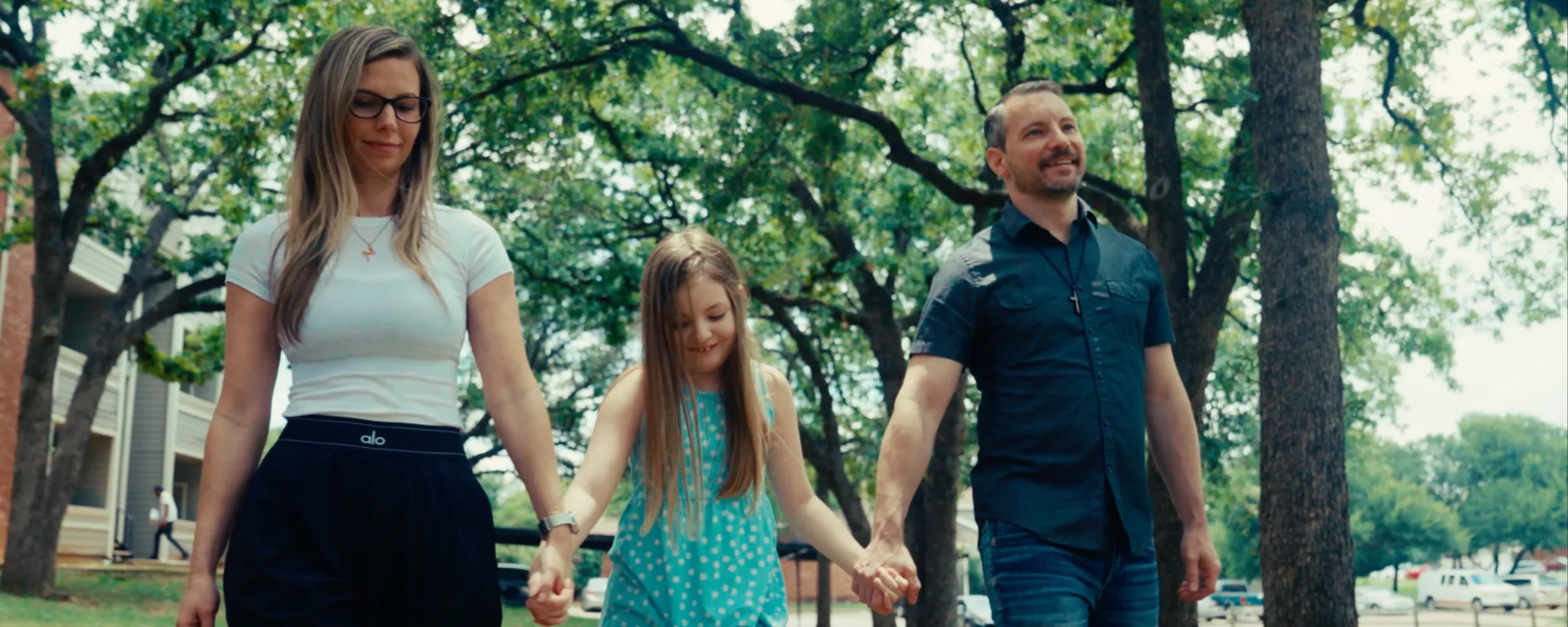


There was nothing about Josh’s life that made him think about a brain tumor.
At 40, he felt healthy and strong. He exercised regularly. There were no headaches or seizures, no changes to his vision, speech, or balance. No reason to suspect that something was wrong.
So when a whole body MRI helped identify an abnormality in his brain, Josh wondered whether the scan was wrong. Additional imaging and specialist evaluation eventually confirmed a glioma.
His story raises a question that’s difficult to shake: How much can be happening inside our bodies before we feel it?
Nothing about how he felt pointed to his brain
Eight months earlier, Josh remembers feeling “healthy and at the top of my game.”
“I didn't have any reason to believe there was anything wrong with me.”
So when his whole body MRI helped find something, he was in disbelief.
"This didn't make sense. I thought maybe the scan was wrong,” he said.
But it was something that needed a closer look. Josh followed up with his physician, underwent additional imaging, and was referred to a specialist. That evaluation confirmed a glioma, a type of tumor that begins in the brain or spinal cord.
"At that point, I realized it was real."
Related: Why healthy people can still get cancer
When brain tumors cause no obvious symptoms
What happened to Josh is uncommon, but not unheard of. How and when a brain tumor becomes noticeable can depend on where the tumor is located, how large it is, and how quickly it’s growing.
Some people experience headaches, seizures, vision changes, weakness, or problems with balance and coordination. Others may notice only subtle changes over time. And some people experience no obvious neurological symptoms at all; one review found that only about 1.6% of brain tumors are discovered incidentally in people without symptoms.
A tumor may cause no noticeable symptoms when it grows slowly or develops in an area of the brain where it doesn’t immediately affect how someone feels or functions day to day.
What MRI may help detect before symptoms appear
MRI creates detailed images of soft tissues throughout the body, giving radiologists a way to see certain abnormalities that may not be causing noticeable symptoms. Many turn out to be benign or simply something to keep an eye on, while others warrant a closer look.
And findings aren't all that unusual. In an internal study of 100,000 Prenuvo patients, nearly half (49%) learned about a finding worth monitoring or following up on. Another internal study of about 1,000 patients revealed that cancer was identified in approximately 2.2% of those who underwent whole body MRI.*
Notably, routine cancer screenings remain an important part of preventive care. But they’re designed to look for specific cancers in specific populations, which means they don’t capture every case. In fact, it’s estimated that only about 14% of cancers are diagnosed through standard screening programs.
While MRI can't detect every condition—and finding something earlier doesn't guarantee an early diagnosis or a better outcome—it can provide information that helps patients, like Josh, and their healthcare teams decide what should happen next.

What happened after the finding
Learning about the glioma before he experienced neurological symptoms gave Josh time to understand what he was facing, talk through his options with his care team, and move from diagnosis to a treatment plan and surgery.
“Throughout the whole situation, I felt hopeful because if I didn't get scanned, I wouldn't have found this cancer until it's too late,” he said.**
Today, his recovery is ongoing. “My speech is a little bit impaired today, but it's progressing. Had I not detected this early, I may not be able to speak at all today.”
A changed sense of what matters
The experience has changed what Josh pays attention to: late-night conversations with his wife, watching his daughter grow up, simply being there.
The advice Josh shares is simple:
"Trust your own body and don't take life for granted... so many times people are so busy working and doing this and doing that and not truly focusing on what's really important—which is life and family and love and health."
About proactive whole body MRI
Knowing more about what’s happening in your body can create valuable time to understand a finding, consider your options, and make informed decisions with your care team.
Every Prenuvo Whole Body Scan is reviewed by an exclusively-affiliated radiologist, followed by a personalized Results Review to help you understand your findings and determine appropriate next steps with your healthcare provider when needed.
If you're wondering whether proactive imaging is right for you, book a call with our Patient Services team. They can answer your questions, discuss your health goals, and help you determine which screening option best fits your needs.
Disclosures:
* Prenuvo’s internal POLARIS Study is a retrospective, non-randomized analysis of 1,011 participants. Outcomes were based, in part, on patient-reported data and may be subject to responder bias. The observations from this study are preliminary and have not been independently replicated
** A Prenuvo scan is a screening service, not diagnostic. Diagnosis and treatment are determined by your healthcare provider. Early detection outcomes depend on individual circumstances and follow-up care.