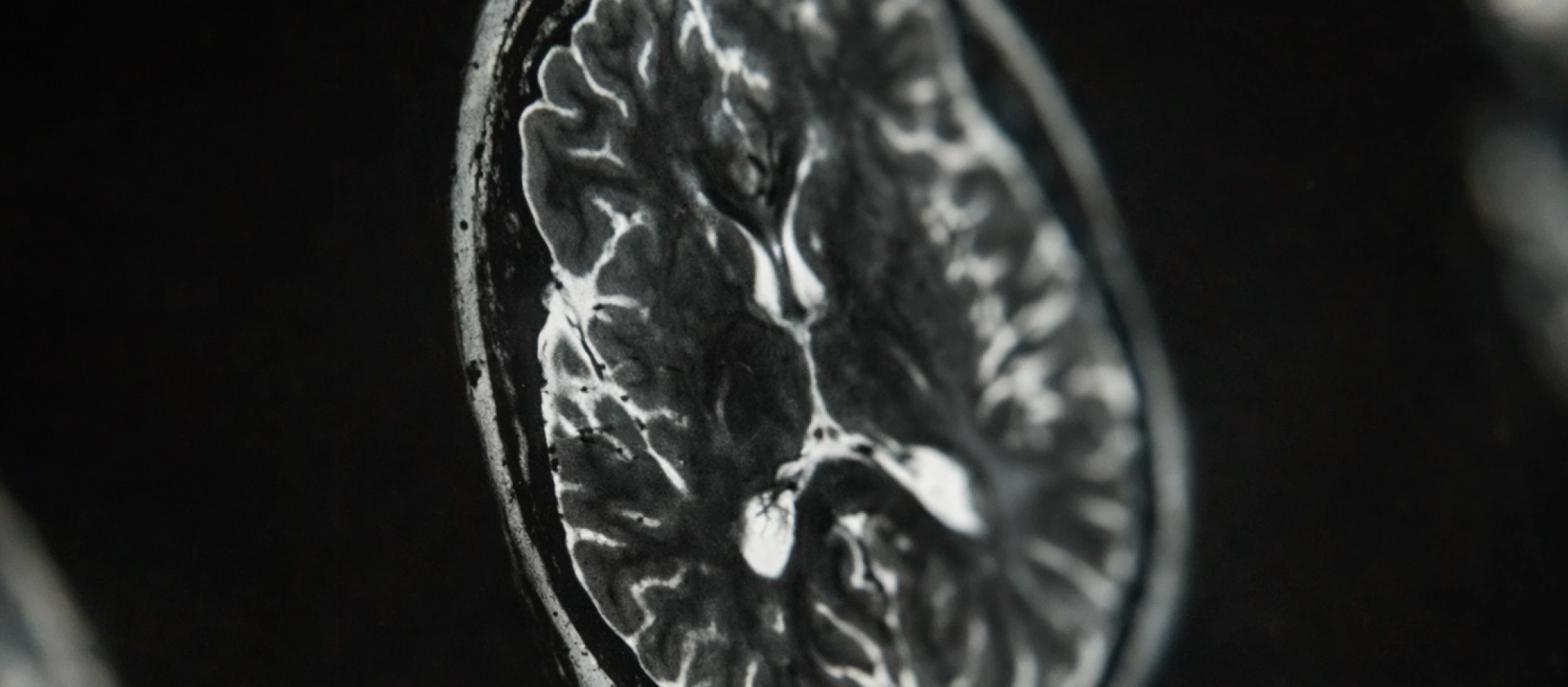
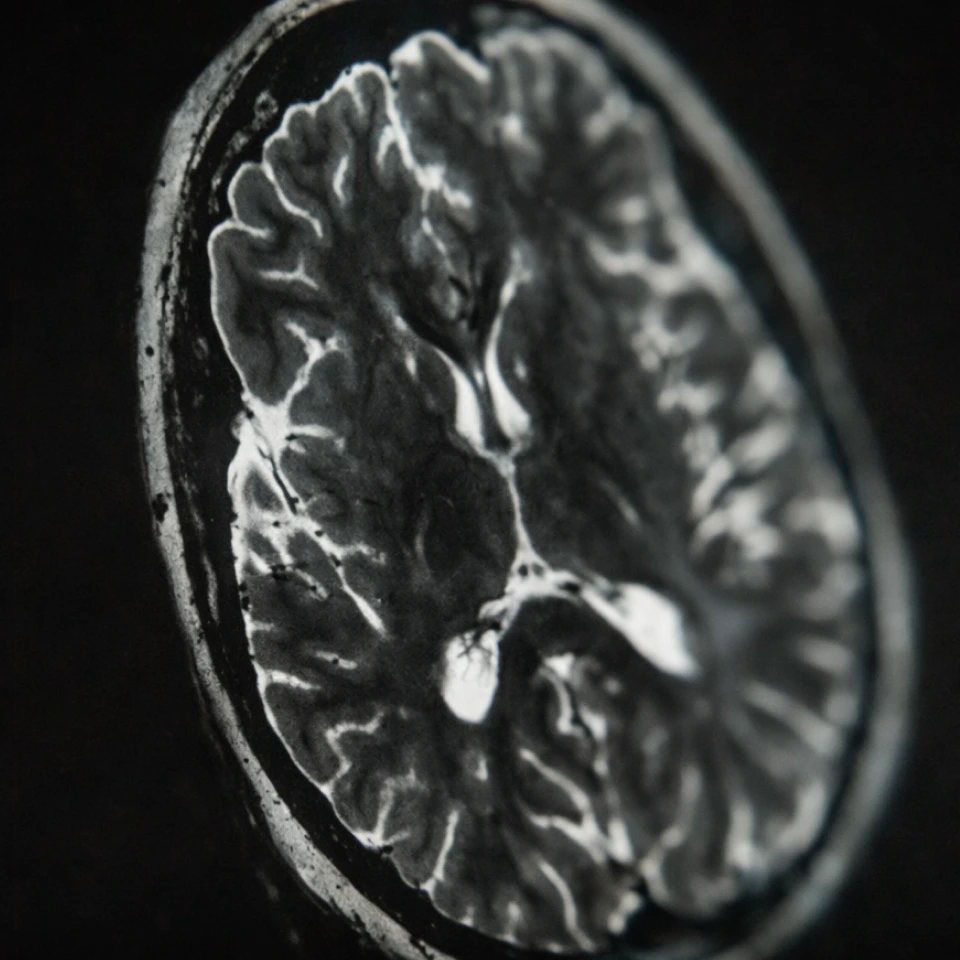



Many people associate whole body scans with the potential to help detect cancer. But a Prenuvo scan can help identify hundreds of conditions, many of which are not immediately life-threatening, but can nonetheless be clinically meaningful. These findings can range from postural irregularities to muscle imbalances, metabolic health changes, spinal degeneration, inflammation, and more. Detecting these can provide a comprehensive baseline of an individual’s health, serving as a benchmark for future comparisons and helping guide personalized, proactive health goals.
While it may sound scary to have your scan potentially detect something, this information is power. There are many conditions that can be treated through lifestyle changes, like dietary tweaks, exercise modifications, and stress management. Others may not require any intervention other than medical monitoring to make sure they don’t progress. And in the event that a scan helps detect a more serious condition, like cancer, having that information sometimes even before symptoms appear can meaningfully help guide next steps.
Here’s a closer look at what a whole body scan may help identify and how you and your healthcare provider can work together to address anything that comes up.
What whole body MRI may help detect and ways you could address them
1. Spinal degeneration
We all experience some degree of “wear and tear” of the spine over our lifetimes—often referred to as “spinal degeneration” in radiology reports.
In fact, nearly everyone will have some degree of these age-related changes by the time they reach midlife. Research shows that 37% of asymptomatic 20-year-olds may have some form of disc degeneration, while this number jumps to 96% by age 80.
Spinal degeneration, or wear-and-tear, can cause discs to become thinner and have reduced shock absorption. This can also occur from minor injuries that can lead to small cracks and tears that can eventually lead to disc bulges. Additional risk factors include obesity, smoking, working a physically demanding job, and acute injuries such as falls. Women are also more likely to experience symptoms.
Spinal degeneration may continue to progress, which could increase the risk of other conditions like spinal stenosis (narrowing of the spinal canal and nerve exit pathways) or scoliosis. Some cases are asymptomatic, while others can lead to symptoms like chronic pain, mobility issues or nerve damage.
What Prenuvo may help identify:
A Prenuvo Whole Body Scan has the ability to help detect:
- Disc degeneration, including disc bulges and herniations
- Spinal stenosis, referring to narrowing of spaces around the spinal cord or nerve roots
- Spondylolisthesis, or slippage of one spinal level relative to an adjacent level
How it’s often addressed: Milder cases may be managed with some lifestyle modifications. Research shows that core stability training, Pilates, posture correction, and suspension exercises can help significantly reduce pain, improve function, or slow progression. Reducing inflammation and maintaining a healthy weight may also help. Most people with degeneration that shows up on a scan don’t require surgery, though some severe cases may require surgical intervention if significant enough symptoms are present that are refractory to other more conservative management options.
To learn more about how Prenuvo can help with the detection of spinal degeneration, book a call with a member of our care team.
2. Muscular asymmetries
You work out in the gym and try to stay toned. But even those who are physically fit can have subtle muscle imbalances. Muscle imbalance occurs when there are differences in strength, size, flexibility, or activation between sides of the body or between muscle groups that work together. When these complementary parts are uneven in strength—such as the right leg versus the left—some muscles may become relatively stronger or tighter than others. When this occurs, movement patterns can be affected. And in some cases, this can place additional stress on joints and surrounding tissues.
Muscle imbalances aren’t always obvious. They can develop subtly over time and show up in the form of pain, poor posture, or injuries. Some common causes include performing repetitive motions, inactivity—which can cause muscle imbalances in areas like the hips—poor posture, favoring one side over the other for everyday tasks, compensating after an injury, and an unbalanced exercise routine that only focuses on one area or motion—for instance doing “pushing” exercises like pushups without counterbalancing with “pulling” exercises such as rows.
Untreated muscle imbalances can lead to an array of complications such as long-term wear on the joints, reduced flexibility and mobility, poor posture, chronic pain, or overuse injuries such as runner’s knee.
Related: How to fix your muscular imbalances — and why
What Prenuvo may help identify:
Prenuvo’s Body Composition Analysis can help detect areas of muscle imbalance within the body, such as:
- Uneven muscle mass in lower extremities
- Glute imbalances
- Imbalances in hip stabilizing muscles, which can secondarily influence postural and movement patterns
How it’s often addressed: Once identified, many forms of muscle imbalance can be improved. Strength training that focuses on building up muscle in the weaker side can often help to correct asymmetry. Physical therapists can put patients on a program that enables them to regain mobility and flexibility due to uneven muscle tone. And with treatment, symptoms like pain that stems from muscle imbalances can often improve.
To learn more about how Prenuvo can help with the detection of muscular asymmetries, book a call with a member of our care team.
3. Visceral fat or early metabolic signs
You can measure your weight by stepping on a scale and calculate your body mass index (BMI) by dividing that by your height (BMI = weight (kg) / height (m)²). But these data points won’t give you a look at a potentially harmful type of fat that you could be carrying inside your body. Visceral fat is a type of body fat that wraps around internal organs and lies deep in the body (rather than the converse, which is superficial fat lying just below the skin, known as subcutaneous fat). It’s normal to have some degree of this fat. But when this fat grows in excess, it can lead to negative health consequences. A predisposition to increased visceral fat can be due to genetic reasons, due to a diet rich in fatty foods and carbohydrates, and a sedentary lifestyle.
Too much visceral fat—even in people with a healthy BMI—can put you at an increased risk of heart disease, certain types of cancers, and even dementia. In fact, Prenuvo’s AI-assisted internal research revealed a link between visceral fat and midlife brain atrophy.
Related: Why tracking your BMI is becoming irrelevant
What Prenuvo may help identify: Prenuvo’s Body Composition Analysis can provide a detailed fat analysis, separately looking at your amount of visceral fat and subcutaneous fat (fat stored just beneath the skin’s surface.)
How it’s often addressed: If you find out you have too much visceral fat, the goal will be to reduce it. Lifestyle changes like prioritizing 30 minutes of exercise, five days a week and adjusting your diet to lean more towards a Mediterranean Diet style of eating can help. Reducing stress, prioritizing sleep, and limiting alcohol intake can also help.
To learn more about how Prenuvo can help with the detection of visceral fat or early metabolic signs, book a call with a member of our care team.
3. Posture-related findings such as “tech neck”
Posture-related changes are common, especially with age. They can also be due to lifestyle habits, like looking down at your smartphone or device, a sedentary lifestyle, or carrying heavy objects with improper form. These types of activities can lead to rounded shoulders or tech neck (forward neck posture). Poor posture can also be caused by compression fractures as the result of weakened bones due to osteoporosis.
Postural changes can occur slowly and often go unnoticed. But unaddressed, these conditions can increase stress on the joints, muscles, and connective tissue. This can lead to neck, back, and shoulder pain and increase risk of injuries. Poor posture can also throw off your balance and impair mobility.
What Prenuvo may help identify: A Prenuvo Whole Body Scan with Body Composition Analysis may help detect posture-related structural patterns like altered spinal alignment and curvature abnormalities in the cervical, thoracic, and/or lumbar spine. It can also detect compression fractures that can be due to prior trauma or underlying osteoporosis.
How it’s often addressed: Experts note that the first way to repair a postural condition is to become aware of it. Since poor posture can creep up on you slowly, some people don’t notice how it may be impacting their daily lives. Lifestyle modifications like maintaining a healthy weight, mobility training, and strengthening certain muscles (like your abs, glutes, and back), can help to correct poor postural conditions. It can also help to set up your work station with proper ergonomics. A physical therapist can offer exercises to focus on spinal alignment and to counter common modern day conditions like tech neck. Some cancers can develop quietly, without obvious symptoms in their earliest stages. When these are eventually detected, it may be too late to receive potentially more effective, less invasive, and less costly treatments; potentially resulting in reduced survival rates and diminished quality of life.
To learn more about how Prenuvo can help with the detection of posture-related changes, book a call with a member of our care team.
4. Certain early cancers
Some cancers can develop quietly, without obvious symptoms in their earliest stages. When these are eventually detected, it may be too late to receive potentially more effective, less invasive, and less costly treatments; potentially resulting in reduced survival rates and diminished quality of life. And research shows that around half of cancers aren’t caught until they are advanced. Prenuvo has the ability to help detect many cancers at earlier stages than would have otherwise been detected traditionally, sometimes potentially as early as stage 1.
Early detection may help patients seek treatment earlier, which can significantly improve survival rates. For instance, public health data shows that people diagnosed with lung cancer at stage 1 have a 57% 5-year survival rate. This number drops to 3% at stage IV. Prostate cancer caught in stage 1 has a greater than 99% survival rate, while prostate cancer that has metastasized (a feature of late-stage cancer) drops to 37%.
Whole body MRI is not a replacement for clinically indicated standard targeted single-cancer screenings like mammograms, colonoscopies, or Pap tests recommended for specific demographic groups. Instead, it is designed to complement these targeted screenings by helping identify a broader scope of suspicious findings through a multi-cancer detection (MCD) screening strategy across wider-ranging anatomy that may otherwise not be routinely evaluated through single-cancer screening approaches alone—or in people who don’t fall within current guideline-defined screening criteria.
Currently, only about 14% of cancers are detected through routine screening programs. And with the rise of cancers in younger adults, some cases may fall outside traditional screening eligibility altogether. Whole body MRI may also help detect findings that can develop between routine exams, making it a powerful tool in a multi-cancer detection approach.
Related: Early cancer detection screens aren’t just for high-risk people
What Prenuvo may help identify: A Prenuvo Whole Body Scan can help detect unexpected imaging signs of a potentially large spectrum of cancers across wide-ranging anatomy, covering the head, neck, chest, abdomen, pelvis, and lower extremities including, but not limited to:
- Brain tumors
- Neck tumors, not excluding larger thyroid tumors.
- Chest tumors (not excluding larger lung and larger breast tumors, which otherwise are best primarily screened for with respective dedicated modalities in appropriate populations with screening whole body MRI as an adjunct)
- Abdominal tumors, including pancreas, liver, kidney, and other abdominal organs.
- Pelvic tumors, including ovarian in females or prostate in males, among other pelvic organs.
How it’s often addressed: Prenuvo can help detect signs of some cancers so your medical team can help you potentially act sooner. This can include everything from clinical trials to chemotherapy, radiation, immunotherapy, surgical removal, and targeted therapy.
To learn more about how Prenuvo can help with the detection of certain early cancers, book a call with a member of our care team.
5. Liver changes or steatosis (fatty liver)
Steatotic liver disease is a buildup of excess fat in the liver cells. It’s the most chronic liver condition in the United States, affecting 90 to 100 million people. Too much fat in the liver can be caused by excess drinking but is also common in people who are overweight or obese. There is also a genetic component that can make a person more prone to developing it. And people with type 2 diabetes, metabolic syndrome, underactive thyroid, polycystic ovarian syndrome, high cholesterol, or insulin resistance may also be more prone.
This liver condition is often silent until it progresses until later stages so many people who have it have no idea until they are diagnosed. The most common symptoms are fatigue, feeling unwell, or pain or discomfort in the upper right belly area. These symptoms can be mistaken for other conditions, making steatosis more difficult to diagnose.
Too much fat in the liver can lead to inflammation and then fibrosis. Without intervention, this can progress to cirrhosis. Over time, it can lead to fluid buildup in the abdomen (known as ascites), liver cancer, swollen veins in the esophagus that can rupture, an enlarged spleen, or end-stage liver failure, which is eventually fatal.
What Prenuvo may help identify: A Prenuvo Whole Body Scan can help visualize changes in liver composition, including increased fat content within the liver.
How it’s often addressed: Doctors may prescribe further imaging, labs, monitoring, and lifestyle changes. In fact, lifestyle changes are highly effective at quickly reducing impact in early stages. These include losing weight, lowering your cholesterol and triglycerides, reducing alcohol, exercising, and eating a diet low in fat and simple carbohydrates. There are also medications that may help.
To learn more about how Prenuvo can help with the detection of liver changes, book a call with a member of our care team.
What bloodwork may also reveal
While a whole body scan provides insight into the structures of the body, bloodwork can offer additional context on areas like the metabolic health and inflammation levels. These tests add a secondary layer of insight and can help doctors interpret imaging findings and determine whether further evaluation or monitoring may be appropriate.
Bloodwork can offer insights into:
A1c or fasting insulin: These markers are commonly used to assess how the body manages blood sugar over time. A high A1c level generally signals impaired glucose handling. If this is flagged, doctors will often recommend dietary changes, exercise, and weight management—and in some cases, prescription medication.
Inflammatory markers (hs-CRP): This tests for a protein made by the liver (c-reactive protein), which in high amounts, suggests high inflammation levels in the body. Chronic inflammation may prompt lifestyle evaluation, sleep focus, dietary changes, stress reduction, or further testing.
To learn more about how Prenuvo's bloodwork services, book a call with a member of our care team.
The purpose of Prenuvo is to offer additional insight
Prenuvo can help evaluate many organs, tissues, and systems and compiles its findings into a comprehensive report. Many results reflect expected age-related change, lifestyle patterns, or early changes that can be monitored or addressed with medical guidance. Helping identify potential issues can enable people to work with their care team to stay ahead of conditions before they may become more serious. It also empowers you to make lifestyle changes that could go a long way in setting you on a path to potentially feeling your best for years to come.
To learn more about the benefits of a whole body MRI, book a call with a member of our care team or schedule your scan today.