


From Thanksgiving gatherings to Christmas celebrations and New Year's Eve, the holiday season often brings a shift in our usual eating and drinking habits. Between celebratory meals, seasonal desserts, more frequent dining out, and holiday cocktails, there are plenty of opportunities to enjoy foods and drinks that may not be part of your everyday routine.
That’s certainly nothing to feel guilty about. However, this change in habits and typical foods may negatively impact your holiday health. Understanding how your eating habits shift during the holiday months, how that affects your body, and how to enjoy the season while prioritizing and following your health can pay off into the next year.
How holiday eating habits can change
There is a special food around every corner during the holiday season. It’s the creamed spinach alongside a roast, fancy cocoa drinks made with real heavy cream, cinnamon rolls at brunch, alcoholic drinks that pack in a sleigh’s worth of goodies.
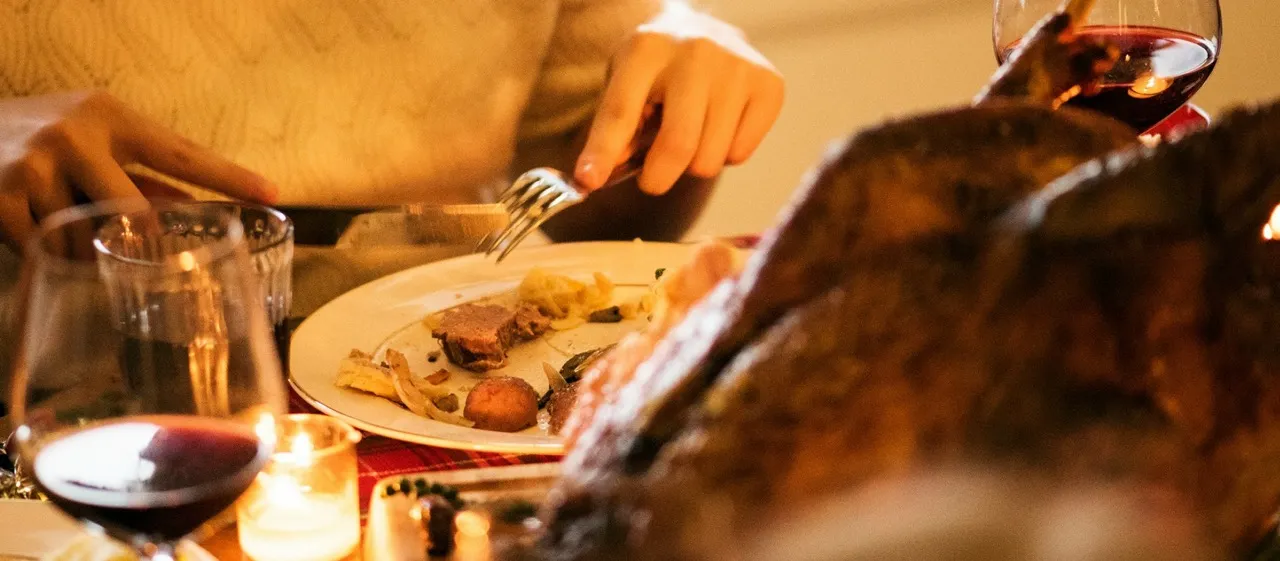
Holiday eating is one of the season’s great joys, but during the holidays everything can feel special or as if it’s your one chance to have it. With more opportunities to snack, drink, or eat foods that you normally don’t, you might have less room for usual nutritious go-tos like fruits, veggies, and whole grains. And chances are, if you’re going out more and getting less sleep in the name of holiday merriment, you may also be skipping exercise or adapting to less movement, especially if the weather is turning.
Not everyone overeats during the holiday season, but it’s worth it to take stock of how your own habits change in case you want this season to be different.
How holiday meals affect blood sugar
When you eat carbohydrate-containing foods—bread, pasta, fruits, vegetables, beans, desserts, soda—your blood sugar will rise. The rise is smaller if that meal contains fiber, protein, or fat, as these nutrients slow digestion.
Once your blood sugar rises, your pancreas releases insulin in response. Insulin is the hormone that unlocks your cells and pushes blood sugar into them, where you can then use it for energy.
So much of traditional holiday food, such as breads, potato dishes, appetizers, stuffing, and sugary drinks, are rich in carbohydrates. The blood sugar rise after eating a carbohydrate-containing meal is normal and expected, but it can be damaging for people who have diabetes, which is why monitoring carbohydrate intake, sticking to your goals, and watching your blood sugar response is so important.
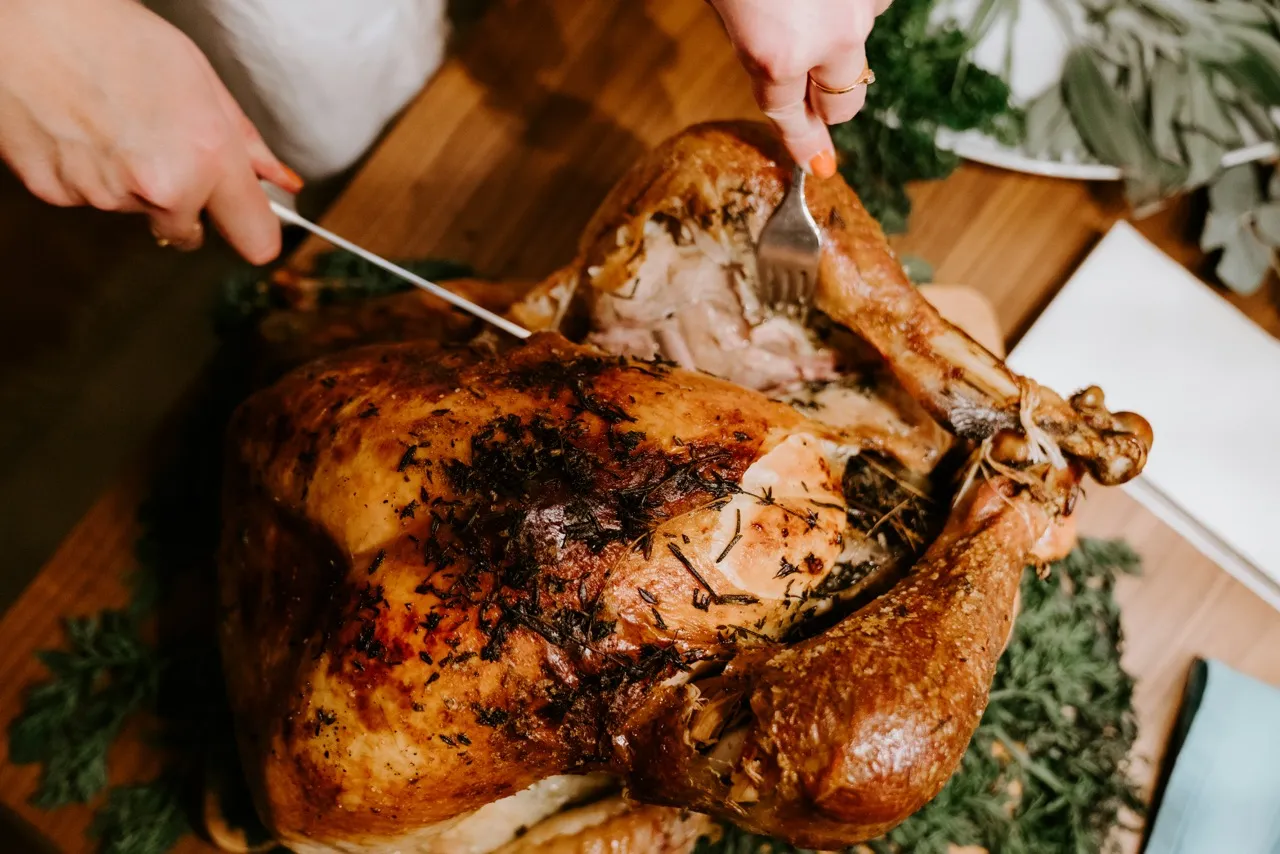
If you don’t have diabetes, one meal of overeating or packing in carbs is likely going to be no big deal for you, but if you don’t feel great after (eating a lot can promote symptoms like heartburn and reflux), consider building a more balanced plate. You can do this by eating smaller portions of each food. In addition, balance your plate with a source of lean protein (like turkey or lean beef) with fiber-rich foods like vegetables. Then, allow room on that plate for your favorites.
For a closer look at your body’s response to your overall diet, bloodwork can reveal a lot about your health. Prenuvo’s Comprehensive and Executive blood panels include measures like HbA1c, a test that reflects average blood glucose over approximately three months and is used to diagnose diabetes. It won’t reflect how your body reacted to the holiday party last week, but it can give you an indication of where certain health markers stand now.

Is skipping meals before a holiday dinner a good idea?
If you have a big meal coming up later, you may be tempted to skip meals in order to bank calories and use them later. After all, energy balance—that is, calories in versus out—is a big part of weight management.
Your body has lots of ways to compensate if you skip a meal. For example, your liver stores extra glucose as glycogen. If your blood sugar levels could use a bump because it’s been a long time since you last ate, your liver can break down stored glycogen into glucose and release it into your bloodstream.
However, arriving to an event very hungry can be a recipe for overeating. There are several factors at play here: You’re ready to eat, there are hyper-palatable foods around, and you’re distracted by the party, so you may not even know how much you’re eating. It’s hardly a surprise, but a review on the social facilitation of eating shows that people take more food and eat more food when they’re eating with friends compared to when they’re alone. In fact, meals were up to 48% larger when with others.
If you have diabetes, disrupted meal timing can complicate your blood sugar management. Consider the meal timing schedule that’s best for your body and stick to it, especially if you’re taking medication.
For everyone, consider maintaining familiar meal times when possible. If needed, grab a healthy snack to tide you over if dinner is unusually late. Arriving reasonably hungry (but not hangry) allows you to better focus on conversation with friends and family anyway.
Large holiday meals may be to blame for bloating and heartburn
If you know you’re reaching for antacids more often in the holidays, consider blaming a change in your diet and eating pattern. It’s a familiar feeling—you have a big meal and then crave something sweet. So now, here you are, feeling uncomfortable in your pants.
The term “digestive strain” refers to an overly large demand on the digestive system that can leave you bloated, overly full, or with heartburn, indigestion, or acid reflux. Eating quickly, consuming larger meals, having fatty or greasy food, drinking alcohol, and wearing tight clothing can all contribute to these symptoms. Your best bet is to linger after dinner (for talking, not a nightcap), since laying down within three hours of a meal can trigger GI symptoms like reflux.
Here’s what else you can do: Approach a meal with a plan. Focus on the conversation so you can slow your eating pace, put less food on your plate and then decide if you need to get more, and curb your alcohol intake, which naturally makes you reach for more food.

How holiday drinking can affect blood sugar
Dry January has become popular for a reason: We often drink more during the holidays. There’s wine and beer and spirits, but seasonal cocktails and mixers start showing up, and these are often packed with sugar and calories.
Alcohol’s effects on blood sugar are complex. People who have diabetes are at a risk of hypoglycemia (low blood sugar) after drinking alcohol. This is because the liver is charged with both detoxification and maintaining your blood sugar. Detoxification wins out, and the task of bringing up your blood sugar has to wait. In response, blood sugar can fall, sometimes to dangerous levels if you have diabetes.
Drinking alcohol is a personal choice, though you should know all of the risks and how they affect your individual health before deciding to drink. Alcohol’s effect on you depends on your tolerance, how much you’ve had to drink, and what you’ve eaten. Moderation is always key, but now there are many other options for imbibing (or not), such as non-alcoholic beer, alcohol-removed wine and bubbles, alcohol-free spirits, or alternating between N/A and alcoholic options—a great trend called “zebra-striping.”
How sodium adds up during the holidays
A single holiday meal can contribute a significant portion of the recommended daily sodium limit of 2,300 mg. Between ham or turkey, gravy, stuffing, casseroles made with condensed soups, salted butter, cheeses, and breads, sodium can add up quickly. While most health risks associated with excess sodium develop over time, research suggests that even one high-sodium meal can temporarily affect blood vessel function in otherwise healthy adults.
During the season, you can reduce sodium in meals by avoiding pre-seasoned fresh meats, using sauces sparingly, eating more potassium-rich produce like sweet potatoes, potatoes, and sauteed greens, and (again) enjoying smaller portions of favorite foods that you know are rich in sodium. Keep in mind that breads and rolls are some of the highest sources of sodium in the diet, so decide if these are worth it on your plate.
How much weight do people gain over the holidays?
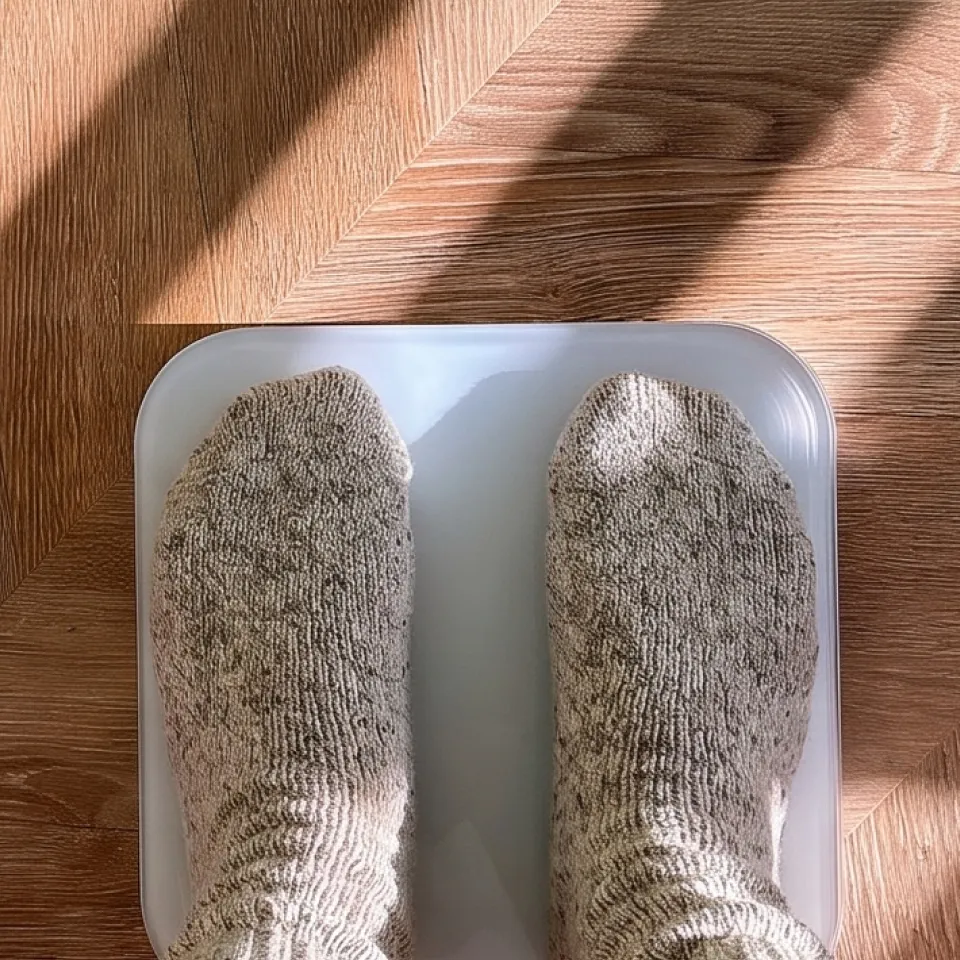
Research suggests that people gain an average of approximately one to two pounds between late November and early January, although individual experiences vary. Weight can fluctuate for a number of reasons, and according to research in Nutrients, not all holiday weight gain is lost in the months that follow. Over time, these incremental changes may contribute to longer-term weight gain.
However, body weight alone doesn't provide a complete assessment of your body composition. The distribution of body fat, including visceral fat, as well as muscle volume, can offer additional insight into metabolic health. Prenuvo's Body Composition Analysis uses MRI to measure visceral fat, subcutaneous fat, liver fat, and muscle volume, among other metrics. For some people, this type of analysis can be a nice check-in after the holidays to quantify how your body changed during this time, if at all.

How to maintain healthy habits during the holidays
For weight management, eat regular meals at your typical times, serve yourself a portion size that is healthy for you (not inflated), eat vegetables, choose drinks—alcohholic and nonalcoholic—mindfully, and continue to stay active. Trying to practice extreme restriction is cognitively hard, saps the fun out of the season, and may set the stage for compensatory behaviors like overeating.
Simple lifestyle habits for healthy holidays
Although nothing’s a guarantee, the quick tips below can help you stay on track while still enjoying the merriment:
- Keep regular meals on the calendar. Avoid skipping breakfast or lunch to compensate for dinner.
- Plan for delays. Have a snack available for travel days, shopping trips, or gatherings with unpredictable meal times.
- Keep everyday staples in rotation. Include vegetables, fruit, beans, whole grains, and protein sources between celebrations.
- Make room for favorite seasonal foods. Encourage enjoying them at a comfortable pace and saving leftovers for another day.
- Have drink options ready. Include water and alcohol-free choices.
- Maintain familiar movement routines. Keep activity enjoyable and separate from compensating for food.
- Resume usual habits after celebrations. Avoid framing the next day as a correction or punishment. Ignore any messaging that tells you you have to run X miles to burn off Y food.
What are some healthy snacks to have during the holidays?
Healthy snacks combine protein and/or healthy fat with a fiber-rich food. Here are some between-meal bites to grab:
- Apple or pear with nut butter
- Mandarin and a handful of pistachios
- Hummus or bean dip with vegetables or whole-grain crackers
- Whole grain crackers with cheese
- Cottage cheese or plain Greek yogurt and berries
- Hard boiled egg with cubed melon
How to monitor your health beyond the holiday season
Although the holiday season can stretch for a couple of months, it can also feel like a blip of time in the year. The big takeaway is that even though it’s a special time, you can still celebrate within your everyday healthy routines.
To stay on track, you can follow your health with testing like blood panels and Body Composition Analysis during the year. Comparing your most recent results with past numbers can help you determine what lifestyle habits are worth taking a look at and revising—and this is any time, not simply around the holidays. Your clinician can help interpret those changes and provide recommendations for when to test next.
Book a call with our Patient Services Team to learn more about what assessments might be right for you.
With a combination of consistency in healthy habits, flexibility for room to embrace more fun seasons of the year, and information on your body’s physiology, staying on top of your health during the holidays is totally doable.