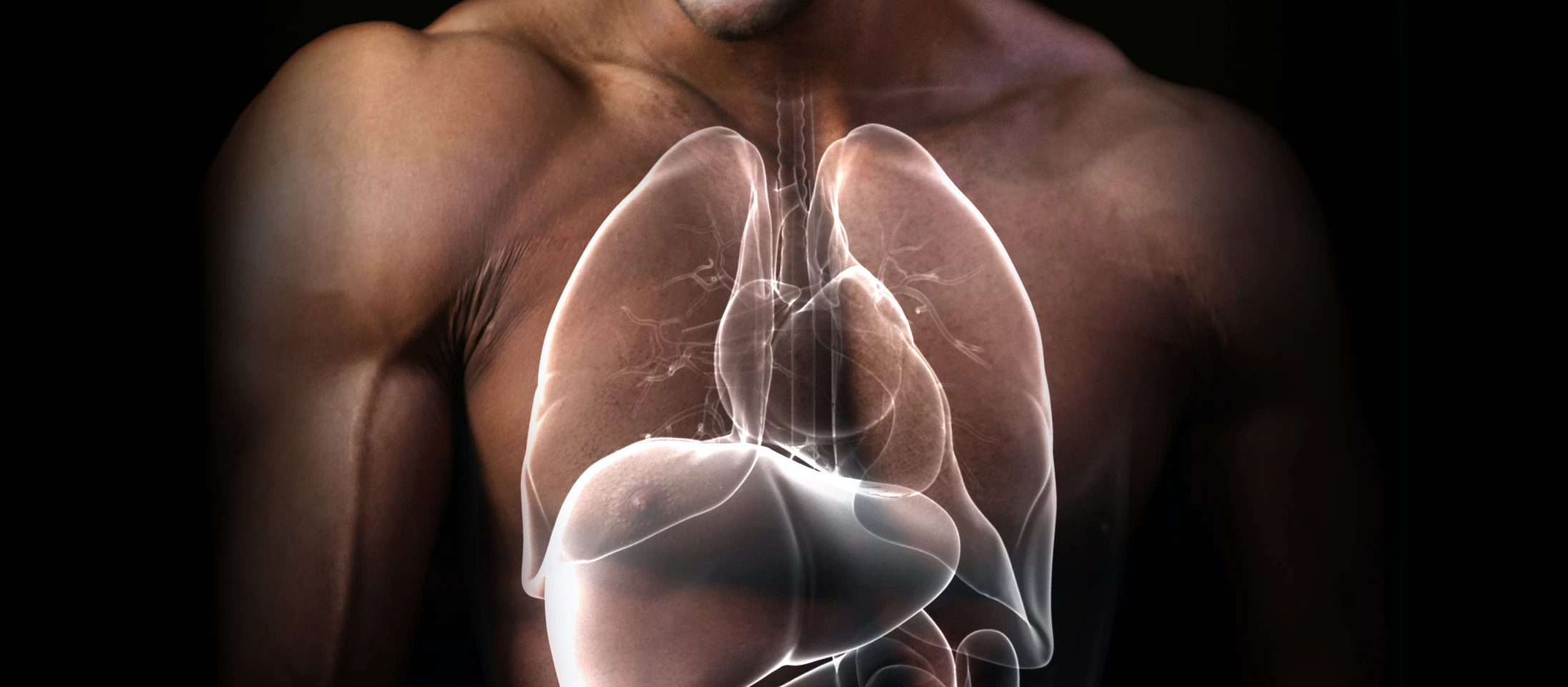




A lot changes as you age, including your testosterone levels. Although that’s normal and expected, this decline in sex hormones can have wide-ranging effects on your body. And for some men, their testosterone levels dip lower than normal, a condition called hypogonadism, which impacts 35% of men older than 45 years. Conditions including obesity and type 2 diabetes make lower-than-normal T more likely.
For those men, TRT (testosterone replacement therapy), is a potentially recommended treatment option for addressing symptoms like low libido, erectile dysfunction, and unwanted changes in body composition. But you don’t have to have the condition to be bombarded with messages, through advertisements or social media, that suggest that you need TRT regardless for a better sex drive, more energy, or superior athletic performance.
What is TRT for men?
A type of hormone replacement therapy, TRT introduces manufactured forms of testosterone into your body to regulate levels of this hormone. (This is called introducing exogenous testosterone.) TRT can be delivered via injections, gels, patches, tablets, pellets, or nasal gel. The goal of TRT is to raise your circulating testosterone.
While there are several underlying reasons for low T, such as certain cancer treatments, medications like corticosteroids, hormone disorders, or chronic liver and kidney disease, TRT adds testosterone to your circulation, but it won’t address why you have low T in the first place.
How TRT affects your health
Taking one hormone, in this case testosterone, has a domino effect on other hormones in your body. For example, taking T suppresses luteinizing hormone, another reproductive hormone that signals cells in the testes to produce testosterone. This works via the hypothalamic-pituitary-gonadal (HPG) axis, an integrated system where the brain, pituitary gland, and testes regulate reproductive hormones. It’s a negative feedback loop—once your body senses you have testosterone on board, it decreases the amount of testosterone that the body itself produces.
When testes churn out less T, they also produce less sperm, and a low sperm count can contribute to infertility. There’s also evidence that in some men, sperm counts don’t bounce back easily. Clearly, this can be an issue if you have potential future family plans and want to preserve your fertility.
Additional side effects of TRT include testicular shrinkage and prostate stimulation that leads to urinary problems.
Although there are potential downsides, there are several possible benefits to health when considering TRT. Here’s a look at each to give you an idea of what you may experience:

1. Muscle mass, strength, and body composition
Testosterone declines around 1% per year as you age, and that affects your muscle mass, bone density, and where you store fat on your body. This only compounds the fact that adults also lose muscle with age to the tune of 3 to 5% per decade.
Some men consider TRT with the goal to build muscle and reduce fat, or in other words, get a lean, more youthful physique. Testosterone increases muscle protein synthesis, prevents muscle breakdown, and enhances nitrogen retention, creating an ideal environment for building lean mass.
Interestingly enough, exercise does this too. Research indicates that combining exercise with TRT is ideal for building muscle mass and strength, meaning the two are more effective together than alone. The benefit of building lean tissue is that muscle is a metabolically active organ that supports calorie burn, blood sugar management, and fat oxidation.
Your results on TRT aren’t guaranteed. They depend on the dose of TRT, formula you’re taking, baseline levels, and lifestyle, including exercise training.
Related: What men can do to maintain performance as they age
2. Energy, mood, and cognition
Testosterone doesn’t just affect your body, it works in your brain, too. Men with low T often report depressed mood, lack of motivation, energy, and vitality, and decreased performance at work, according to research. For middle-aged men with depression and low testosterone, TRT may be useful for improving mood and reducing symptoms. In addition, other research finds that TRT, in general, leads to improvements in quality of life, energy, and cognitive ability for certain groups of men who have low testosterone.
For men experiencing symptoms of depression, low energy, or cognitive impairment, keep in mind that the causes of all of these are multi-factorial. You may be sleeping poorly, lack a social support system, or have a family history that makes you more at risk for certain health conditions. So while some men may find TRT helpful for overall vitality or focus, others may not benefit. Men who already have normal T levels don’t benefit from additional testosterone.

3. Cardiovascular and metabolic health
Low T is associated with metabolic syndrome (a cluster of conditions including abdominal obesity, high blood pressure and sugar, and high cholesterol and triglycerides) and type 2 diabetes.
Indirectly, greater abdominal fat and less muscle also set the stage for poor metabolic health and cardiovascular risks. Per research, it's possible that TRT can improve insulin sensitivity in men who have obesity because the treatment helps reduce fat, increase lean mass, and lessen inflammation. (Results are mixed, with some studies showing no improvement.)
What’s promising is that up until recently there’ve been conflicting results if TRT increases or decreases heart risks. A trial published in The New England Journal of Medicine came to a reassuring conclusion: TRT didn’t boost the risk of heart attack or stroke when compared to placebo. Still, because TRT can increase hematocrit levels (red blood cells), which could set the stage for a blood clot, you need to be monitored while taking testosterone.
Related: How men can support their testosterone levels naturally
4. Fertility and reproduction
Testosterone is the hormone that is critical for erections, your sex drive, and healthy sperm and sperm count. All are clearly needed for fertility and reproduction.
As we mentioned earlier, treating low T with supplemental testosterone can decrease the body’s own production of testosterone, leading to low (or no) sperm counts that won’t bounce back until you stop taking the hormone. And even after stopping, it can take a while for some men to get sperm counts back up.
If family is in your near future, there are alternate treatments your clinician may consider. The best thing you can do is have a conversation about your goals.
Related: 11 biomarkers that shape a man’s healthspan
Good candidates for HRT for men
Not every man is a good candidate for HRT. The benefits seem to exist for men who have low testosterone levels (hypogonadism), rather than being a panacea for desired mood, energy, or body composition changes for all men. Benefits certainly differ depending on your age, baseline health, hormone levels, duration of therapy, and more. And there are side effects and certain risks to consider when deciding if the trade-offs of therapy are worth it for you.
Again, TRT is best geared toward men who have clinically low testosterone and persistent bothersome symptoms connected to low T. You’ll need an accurate diagnosis, which involves blood tests evaluating testosterone, liver function, prostate-specific antigen (PSA), and more. Given symptoms like low libido, mood, increased body fat, or poor endurance can have many causes, your clinician will want to rule out other underlying conditions or contributing lifestyle factors. Even if you start TRT, a healthy lifestyle is still important, since habits like regular exercise and a balanced diet support testosterone production.
If you’re considering or currently using TRT, understanding how your body is responding over time is a key part of the conversation to make sure that your treatment is working for you. With Prenuvo, you can learn details through whole body MRI and Body Composition Analysis to help evaluate changes in fat and lean mass, while blood biomarker lab testing that can help reveal potential changes in liver, metabolic, and hormonal health markers to help guide your clinician to make decisions that are right for you with TRT.
To learn more about the benefits of Prenuvo services including a Prenuvo Membership, book a call with the Patient Services Team.